
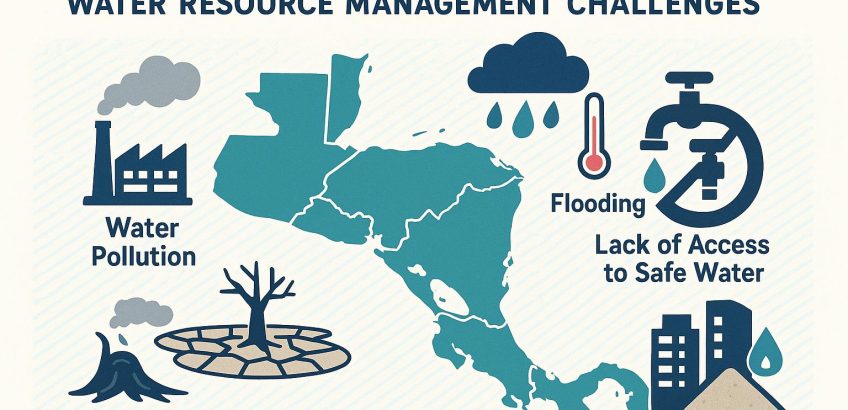
Water resource management challenges
Introduction to Water Resource Management
Water resource management is a fundamental component of environmental stewardship and socio-economic planning. It requires the strategic oversight and coordination of using, distributing, and conserving water resources to fulfill the varying demands of human consumption, agriculture, industry, and the preservation of natural ecosystems. Achieving sustainability in water resource management is vital for maintaining the delicate balance between availability and usage, thereby ensuring that future generations have an adequate water supply.
Understanding Global Water Scarcity
Global water scarcity is an escalating issue that affects over 40% of the world’s population. This scarcity is driven by several interrelated factors, primarily population growth, industrial expansion, and agricultural demands. As the world population continues to expand, the pressure on existing water supplies intensifies. Urbanization further compounds this challenge by increasing the per-capita demands for water in residential, commercial, and public facilities. Industrialization introduces additional demands for heavy water usage in various manufacturing and production processes.
Climate change further complicates the situation by altering precipitation patterns, which impacts the replenishment of freshwater sources. More frequent and severe droughts, along with unpredictable flooding, undermine water stability and availability. In some regions, the dwindling supply forces communities to import water, underlining the pressing need for more sustainable and innovative water management practices to efficiently address scarcity.
Challenges in Maintaining Water Quality
The quality of water resources is equally as vital as quantity. It remains a pressing challenge globally, affected by pollution stemming from agricultural runoff, industrial waste discharge, and untreated wastewater release. Polluted water resources pose substantial health risks, as contaminants can carry waterborne diseases, adversely impacting human health and well-being.
Mitigating these challenges involves the implementation of stringent water quality standards, coupled with significant investment in advanced water treatment technologies and purification systems. Raising awareness and enforcing compliance among industries are critical activities to ensure pollutants are adequately managed before water reenters natural cycles or human usage systems.
The Impact of Agricultural Practices on Water Resources
Agriculture is the largest global consumer of freshwater resources, accounting for about 70% of freshwater withdrawals. Inefficient irrigation practices and the cultivation of water-intensive crops further intensify the strain on available water resources. This excessive usage is not only unsustainable but also contributes to environmental degradation, including soil salinization and habitat loss.
Addressing these issues necessitates integrated water management approaches. Employing efficient irrigation systems, such as drip irrigation, and selecting crops that are compatible with local water availability can greatly alleviate agricultural water stress. These adaptations require both the dissemination of knowledge and the availability of resources for farmers to implement changes effectively.
Industrial Water Use and Management of Pollution
Industrial sectors are substantial contributors to water consumption and pollution. Industries such as manufacturing, textiles, and mining utilize significant volumes of water in their operations, generating wastewater that must be appropriately treated to prevent environmental harm. If unmanaged, this wastewater can introduce harmful contaminants into the ecosystem, affecting both human populations and marine life.
Therefore, implementing eco-friendly production processes and enhancing water recycling within industrial operations are essential strategies for reducing the industrial water footprint. These efforts can not only support environmental health but also prove economically advantageous in reducing the costs related to water usage and waste disposal.
Economic Implications Associated with Water Management
The economic implications of water resource management extend beyond immediate water supply and availability. Inefficient management can result in significant economic losses across agriculture, industries, and municipal services. As water shortages arise or the quality of water decreases, operational costs can increase, leading to higher prices for consumers and reduced economic productivity.
Substantial investments in water infrastructure—such as constructing and maintaining reservoirs, treatment plants, and water distribution networks—are paramount in ensuring a consistent and safe water supply. These investments, albeit costly, require a coordinated approach involving governmental agencies, private stakeholders, and international entities to effectively share responsibilities and resources.
Role of International Cooperation
International cooperation plays an essential role in water resource management, particularly in regions where water sources cross political boundaries. Such cooperation is facilitated through transboundary water management agreements, which aid equitable distribution and utilization of shared water resources. They also serve as frameworks for conflict resolution, promoting peace and collaborative utilization between neighboring jurisdictions. Leveraging international partnerships can help countries apply best practices and technologies to manage shared resources sustainably.
The Importance of Innovation and Technology
Technological advancements are pivotal in addressing water resource management challenges. Cutting-edge technologies like desalination, which converts seawater into potable water, and water recycling systems help reduce freshwater dependency. Smart irrigation systems enhance water efficiency in agriculture, ensuring precise water application according to crop needs and climatic conditions.
Investing in technology that boosts water use efficiency and minimizes waste is critical for addressing future water needs sustainably. Continued research and development (R&D) is essential to drive these innovations and implement scalable solutions across different environmental and socio-economic contexts.
For more insights into water management practices and innovations, consult resources provided by organizations such as United Nations Water.
This overview encapsulates the multifaceted challenges of water resource management. By engaging with these challenges through strategic planning and leveraging innovative solutions, societies can secure a resilient and sustainable water future, thereby supporting both human development and ecological harmony.