
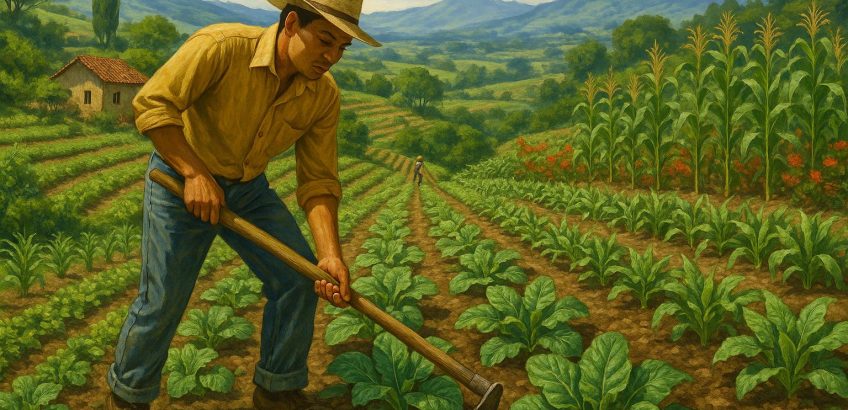
Sustainable agriculture in Central America
Sustainable Agriculture in Central America
Central America, a region renowned for its rich biodiversity and unique ecosystems, is at a critical juncture where the health of its natural resources hangs in the balance. The threats of climate change, deforestation, and unsustainable farming practices profoundly impact these resources. Implementing sustainable agriculture stands as a crucial measure to not only preserve the environment but also ensure food security for the region’s future.
Understanding Sustainable Agriculture
Sustainable agriculture is more than just a way of farming; it is an intricate approach that harmonizes environmental preservation, economic viability, and social responsibility. This method of farming places an emphasis on producing food while maintaining the health of ecosystems and conserving the integrity of resources. The goal is to avoid depleting or causing irreparable damage to the environment through agricultural practices.
Key Principles of Sustainable Agriculture
Conservation of Resources: At its core, sustainable agriculture prioritizes the prudent use of natural resources. This includes techniques such as soil conservation, ensuring the efficiency of water use, and actively maintaining biodiversity. These strategies collectively contribute to the long-term health of the farming land.
Use of Renewable Inputs: Sustainable farming practices shift away from dependency on chemical fertilizers and pesticides. Instead, there is a focus on using renewable and locally sourced inputs. This involves employing organic fertilizers and natural pest control techniques to reduce negative environmental impacts.
Enhancing Biodiversity: Increasing the biodiversity within agricultural systems is pivotal. This not only enhances the ecosystem’s natural resilience against pests and diseases but also helps to buffer the farming system against the uncertainties brought by changing climate conditions.
Challenges Faced in Central America
Despite the clear benefits, implementing sustainable agriculture in Central America is fraught with obstacles. The region is notorious for frequent extreme weather events, including devastating hurricanes and prolonged droughts, both of which can ravage crops and compromise soil health. Moreover, economic challenges and limited technological access further hinder the adoption of sustainable methods.
Socio-Economic Barriers
Farmers in Central America often face economic barriers that stifle progress. Many have limited access to credit and markets, creating a significant challenge when attempting to invest in new technologies or practices aimed at sustainability. To combat these issues, government support and international cooperation are essential.
Environmental Threats
Deforestation emerges as a major threat, often a consequence of agricultural expansion and logging activities. This contributes to problems like soil erosion and a significant loss of biodiversity, ultimately undermining sustainable agriculture efforts. Introducing practices like agroforestry and conservation agriculture could potentially mitigate these adverse impacts and foster sustainable farming environments.
Steps Towards Implementing Sustainable Practices
To address these challenges, multiple initiatives and programs are underway to promote sustainable agriculture across Central America. These efforts emphasize educating the farming communities, providing them with crucial resources, and crafting appropriate policies that support a sustainable trajectory for the future.
Educational Programs and Training
Education is at the heart of enabling farmers to adopt sustainable techniques. Programs offer workshops, demonstrations, and farmer-to-farmer exchanges to spread knowledge and build competencies within local communities. Such educational initiatives are critical for embedding sustainable practices within the agricultural culture of Central America.
Policy Development and Support
Across Central America, governments and organizations are actively collaborating to create supportive policies that favor sustainable farming. These include offering financial incentives, subsidies for environmentally friendly technologies, and facilitating research and development initiatives. Such policies play a crucial role in easing the transition towards sustainable agriculture.
Innovative Agricultural Models
The introduction of innovative agricultural models such as permaculture, polyculture, and crop rotation is being increasingly encouraged. These models rely on the principles of ecological sustainability and economic viability. Permaculture, for example, emphasizes the creation of self-sustaining agricultural ecosystems. Similarly, polyculture leverages the benefits of multiple cropping to bolster soil health and resist pests naturally.
Community-Based Organizations
Community-based organizations have become pivotal in advocating sustainable agriculture. By fostering local collaboration and resource-sharing, these groups play a critical role in disseminating knowledge and resources. Facilitating community-led climate adaptation projects is another focus area, empowering local populations to respond effectively to environmental challenges.
International Aid and Collaboration
International organizations provide invaluable support through technical assistance and funding for sustainable agriculture projects. These partnerships often lead to the development of new technologies and practices tailored specifically for the regional climate and economic conditions of Central America. This cooperative approach vastly expands the resources available to local farmers, promoting broader adoption of sustainable methods.
Conclusion
In summary, sustainable agriculture is not merely a desirable outcome but a necessity for the flourishing of Central America’s agricultural landscape and natural environment. A concerted effort is required from local, national, and international stakeholders to overcome the numerous challenges faced. By diligently promoting sustainable practices, the region can secure its food supply, protect its rich biodiversity, and improve the livelihoods of countless agricultural communities. For those looking to explore more about sustainable agricultural practices, kindly visit the Food and Agriculture Organization for a wealth of resources and information.