
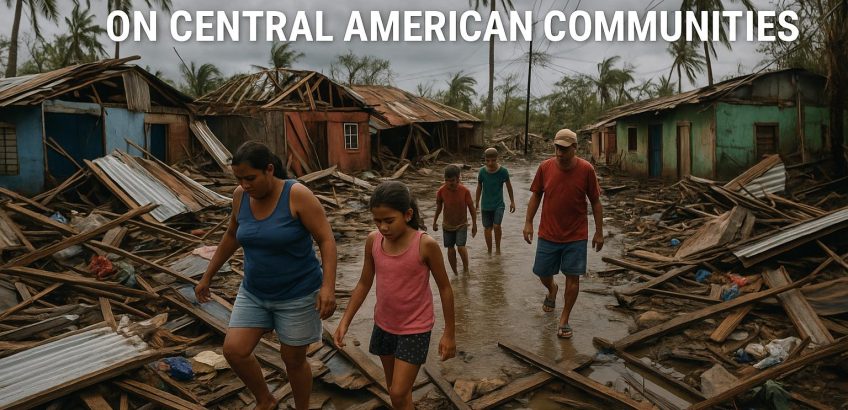
Impact of hurricanes on Central American communities
Introduction
Natural disasters, particularly hurricanes, pose significant challenges to communities in Central America. These challenges manifest in various forms, from the immediate destruction of physical structures to enduring socio-economic repercussions. As Central America is situated within the hurricane belt, it frequently bears the brunt of these storms. Consequently, understanding these impacts is vital in crafting effective response and recovery strategies, which can help in reducing the risk and enhancing the resilience of affected communities.
Physical Damage
One of the most immediate consequences of hurricanes is the physical damage they inflict. The infrastructure in Central American communities often suffers extensively due to the fierce winds and torrential rains typical of such storms. Buildings, roads, and bridges face the risk of damage or complete destruction, significantly disrupting daily life and economic activities. The aftermath of a hurricane involves a protracted recovery process where reconstruction of essential infrastructure becomes imperative.
Impact on Housing
Many homes in Central America are not constructed to withstand the high winds and heavy rains that accompany hurricanes. As a result, these natural disasters often lead to widespread destruction of homes, leaving numerous families without shelter. This situation heightens the demand for temporary accommodations and overstretches local resources. The loss of housing is perhaps one of the most visible impacts of hurricanes, as it not only affects individual families but also influences the broader social structure of affected communities.
Infrastructure Damage
The infrastructure damage resulting from hurricanes extends beyond housing. Roads, bridges, and utilities may all be compromised, making transportation and communication difficult. This hampers recovery efforts and can stall economic progress. Rebuilding infrastructure is therefore a critical component of the recovery process. Quick restoration can act as a catalyst for other recovery efforts by enabling the movement of people and goods and renewing economic activities.
Economic Consequences
The economic fallout from hurricanes is often severe and enduring for Central American communities. A sector that is particularly vulnerable is agriculture, which is a cornerstone of the regional economy. The destruction of crops and loss of livestock due to hurricanes lead to food shortages and significant income loss for those dependent on agriculture.
Disruption to Agriculture
The agricultural sector frequently experiences massive setbacks following hurricanes. The destruction of crops affects not only the local markets but also the region’s export revenues. When crops are destroyed, it creates a ripple effect throughout the economy, impacting food prices and availability. Farmers face a double blow of losing their produce and income, which affects their capacity for future investments and resilience against subsequent storms.
Long-term Economic Recovery
Recovering from the economic impact of hurricanes is a complex and drawn-out process. It involves significant investment in rebuilding efforts across various sectors, including infrastructure, homes, and businesses. There is also the need to bolster resilience against future storms, which adds to the economic strain. International organizations, such as The World Bank, often provide vital financial and technical support to facilitate recovery and enhance resilience-building initiatives. Such support is crucial in laying the foundation for sustainable economic recovery and development.
Social Impact
The social fabric of Central American communities is also heavily impacted by hurricanes. Displacement and loss of livelihoods contribute to rising poverty levels and can exacerbate existing social inequalities. The disruption of social services further compounds these challenges.
Displacement
The destruction of homes leads to significant displacement, as families are often forced to seek temporary refuge in shelters or other regions. This displacement disrupts lives, severs community ties, and may lead to social tensions within host communities strained by the influx of displaced persons. The process of displacement can have long-lasting effects on community cohesion and individual well-being.
Health and Education
The impact of hurricanes extends to essential services such as health and education. Medical facilities may be damaged, limiting access to healthcare when it is most needed. Schools, too, often suffer damage or are repurposed as emergency shelters, interrupting education and affecting the development of children. Such disruptions can have lasting implications on educational attainment and health outcomes in affected communities.
Environmental Impact
In addition to their human toll, hurricanes also exert significant environmental impact. They can reshape ecosystems and lead to a loss of biodiversity, both of which have long-term consequences for the natural environment and the services it provides.
Effects on Ecosystems
The storm surges and heavy rains associated with hurricanes can lead to soil erosion, habitat destruction, and deforestation. These changes can significantly alter local ecosystems, affecting plant and animal life and reducing biodiversity. The loss of natural habitats can disrupt ecological balance and diminish the ecosystem services that are crucial for human survival and well-being.
Soil Degradation
Soil erosion and degradation are common outcomes of hurricanes, severely affecting agricultural productivity and the ecological health of the land. Degraded soils are less arable, which can lead to decreased agricultural yields and increased vulnerability to future disasters. Addressing soil degradation is vital for maintaining the long-term viability of agricultural land and preventing further environmental deterioration.
Conclusion
The multifaceted impact of hurricanes on Central American communities underscores the importance of disaster preparedness and resilience. From the physical destruction of infrastructure to the socio-economic and environmental challenges they bring, hurricanes expose vulnerabilities that must be addressed to secure a more sustainable future. Investing in robust infrastructure, effective response strategies, and resilience-building measures can significantly mitigate the risks associated with such natural disasters. By focusing on preparedness and adaptation, communities can better withstand hurricanes, ensuring safer and more stable livelihoods for the future.