
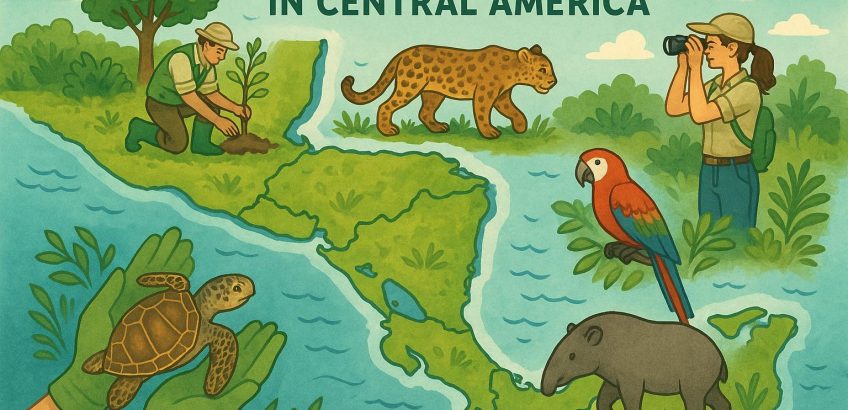
Conservation efforts for endangered species
Understanding Conservation Efforts
Conservation efforts have become an essential focus for environmentalists and governments around the world, primarily because of the increasing threats posed to biodiversity. The need to conserve endangered species has never been more critical, given the accelerating rate of habitat loss, the ongoing impacts of climate change, and the pressures from human activities. Conservation efforts encompass a wide array of strategies and activities that are aimed at protecting species from the brink of extinction and promoting biodiversity so that our natural world can be sustained for future generations.
Key Conservation Methods
A comprehensive understanding of the key methods used in conservation is paramount for anyone interested in the field. Conservationists employ a variety of strategies to ensure the enduring presence of endangered species on our planet. While several approaches exist, three of the primary methods include habitat protection, breeding programs, and legal protections.
Habitat Protection
Protecting the natural habitats of wildlife is perhaps the most fundamental aspect of conservation. Without a safe environment, species struggle to thrive and fulfill their roles in the ecosystem. To address this, international and domestic organizations often work in tandem with governments to establish protected areas. Such areas typically include national parks, wildlife reserves, and other preserved lands that offer a haven from the encroachment of urbanization and industrial activity.
Creating these sanctuaries involves not just fencing off areas but also ensuring they are managed in ways that support the complex web of interaction that constitutes an ecosystem. Some of these efforts extend to restoring the habitats that were previously disrupted. This involves replanting native species, combating invasive species, and recreating natural elements like water flow dynamics to support the specific needs of the endangered species.
Breeding Programs
Captive breeding programs are another crucial aspect of conservation strategies. These programs are usually conducted by zoos and specialized conservation organizations that aim to boost the population numbers of species at risk. They take careful measures to maintain healthy levels of genetic diversity within the captive population, which is vital for ensuring that animals introduced back into the wild can adapt successfully and continue to reproduce.
The running of successful breeding programs necessitates substantial background research and international collaboration. Often, organizations work together across borders to exchange genetic materials or even animal individuals to maximize genetic variability. These cooperative endeavors help prepare individuals for eventual reintroduction to the wild, with the ultimate aim of establishing self-sustaining populations.
Legal Protections
In addition to on-the-ground conservation efforts, legal protections form a critical pillar of species conservation. Legal frameworks at both the national and international levels can provide enforceable mechanisms to deter activities that threaten wildlife. For example, laws can prohibit hunting, impose restrictions on trade of endangered species, and enforce penalties for the destruction of habitats.
Several international agreements also play a part in this endeavor, with treaties like the Convention on International Trade in Endangered Species of Wild Fauna and Flora (CITES) being central to ensuring that global trade does not further endanger vulnerable species. These legal instruments require ongoing cooperation between countries to be effective, and they often need continuous updating to address new challenges as they arise.
Challenges in Conservation
The path to successful conservation is fraught with challenges that can significantly impede progress. A major concern for many conservation programs is the lack of sufficient funding. Conservation initiatives often require substantial financial investment, whether for land acquisition, species management, or enforcement of protective regulations. Political instability in various regions can also halt conservation activities, undermining the advances made through multiple years of effort.
Moreover, there is often a delicate balance to be struck between preserving habitat for animals and meeting human needs, such as agriculture, urban development, and resource extraction. Resolving these conflicts requires innovative solutions that consider the socio-economic realities of communities living near conservation areas.
International Collaboration
Given that many endangered species migrate over extensive geographic ranges that transcend national borders, international collaboration is of paramount importance for effective conservation. Organizations such as the International Union for Conservation of Nature (IUCN) play a crucial role in fostering this collaboration by sharing resources, knowledge, and expertise across countries.
These international organizations help coordinate efforts, facilitating the sharing of critical data regarding migration patterns, genetic studies, and preferred habitats of endangered species. Through these collaborations, nations can pool their resources, developing multinational conservation strategies that have a far more significant impact than isolated efforts.
Conclusion
Despite the immense challenges of conservation, a multifaceted approach that incorporates habitat protection, breeding programs, and legal measures holds promise for reversing the decline of endangered species. While obstacles such as funding constraints and political problems persist, the cooperation of various stakeholders, including governments, international bodies, local communities, and conservation organizations, provides hope. As efforts continue to adapt and evolve, there is still significant potential for meaningful progress, ensuring a balanced coexistence between wildlife and humans, which is crucial for the health of our planet’s intricate ecosystems.