
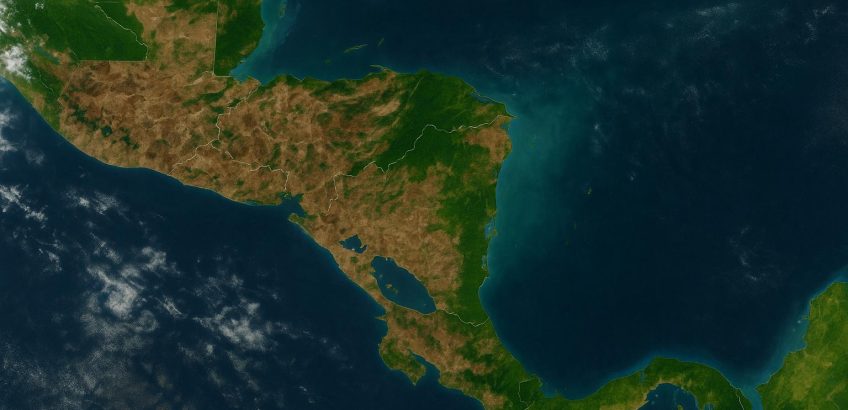
Deforestation in Central America
Overview of Deforestation in Central America
Deforestation in Central America is a multifaceted environmental issue that has profound implications on both a local and global scale. The region, renowned for its dense rainforests and unparalleled biodiversity, is currently experiencing rapid deforestation rates. These activities not only threaten the ecosystem but also the climate, as well as the social and economic structures of the local communities. Herein, we delve deeper into the primary causes of deforestation, its impacts on biodiversity and climate, and the efforts to combat this escalating problem.
Main Causes of Deforestation
Agricultural Expansion emerges as the predominant factor driving deforestation in Central America. A significant number of farmers engage in clearing forests with the objective of developing farmland. This transformation of land primarily supports cattle ranching and the cultivation of commercial crops such as bananas and coffee. While this practice undoubtedly sustains the economic livelihoods of these communities, it simultaneously threatens the vitality of natural ecosystems that are irreplaceable.
In addition to agricultural expansion, illegal logging is a major contributor to deforestation. Activities in this sector often proceed without the required legal permits or oversight, resulting in reckless and unsustainable extraction of timber. This not only leads to forest degradation but also undermines efforts to implement structured forest management practices.
Furthermore, infrastructure development plays a noticeable role in this environmental issue. The construction of roads and urban expansion facilitates increased access to formerly remote forested regions. Such accessibility often paves the way for further deforestation as new areas become vulnerable and attractive for various economic activities.
Impact on Biodiversity and Climate
The forests in Central America house a plethora of plant and animal species, many of which cannot be found elsewhere in the world. The ongoing deforestation poses a direct threat to this rich biodiversity, resulting in habitat loss and fragmentation. This situation increases the risk of extinction for species that already have limited living spaces and fragile ecosystems.
Moreover, the impact of deforestation transcends local boundaries, extending to the global climate. Forests serve a critical role as carbon sinks by absorbing carbon dioxide from the atmosphere. When these trees are removed, not only does the carbon-absorbing capacity diminish significantly, but the carbon stored within them is also released back into the atmosphere. This release of carbon contributes to climate change, necessitating urgent action to curb this trend.
Efforts to Combat Deforestation
In response to the detrimental effects of deforestation, numerous initiatives are being executed to mitigate its impact in Central America. Governments in collaboration with environmental organizations are advocating for sustainable land management practices. These initiatives include comprehensive reforestation programs and the establishment of protected areas aimed at conserving crucial habitats and rehabilitating deteriorated lands.
Moreover, international cooperation plays a pivotal role in addressing deforestation. For instance, agreements such as the Central American Forestry Strategy seek to foster collaborative efforts across national borders. Such collective efforts are vital in tackling the deforestation challenge cohesively and effectively.
Recognition of local communities’ needs and involvement is also imperative. By incorporating indigenous knowledge and practices, and ensuring participation in decision-making processes, strategies become more comprehensive and sustainable.
Conclusion
While Central America continues to grapple with the formidable issue of deforestation, burgeoning efforts to curb this trend are increasingly gaining traction. By striking a balance between economic pursuits and conservation initiatives, it is plausible to lower deforestation rates and preserve the invaluable biodiversity of this region for future generations. Sustained research, robust international cooperation, and proactive local involvement emerge as indispensable elements of successful conservation strategies. As these efforts persist, there remains hope for a more sustainable coexistence with Central America’s vital forest resources.