
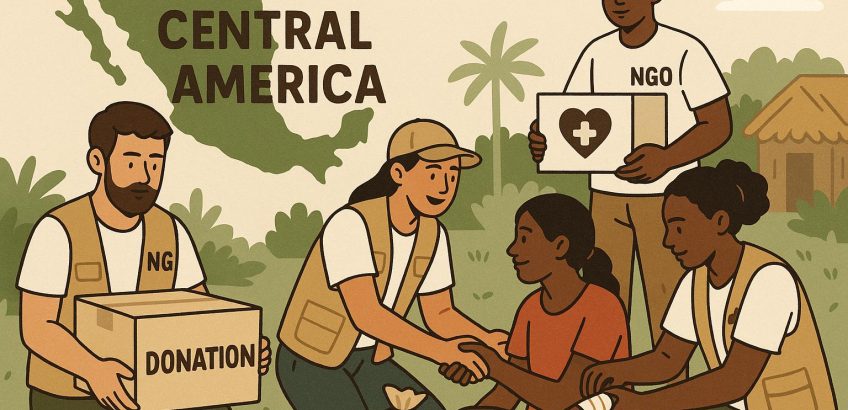
NGOs and humanitarian work in the region
The Role of NGOs in Humanitarian Efforts
Non-Governmental Organizations (NGOs) have become pivotal players in the field of humanitarian aid, making significant contributions across numerous regions globally. Their extensive reach and critical support in areas such as health, education, emergency relief, and sustainable development highlight their indispensable role in addressing various challenges faced by communities worldwide. This article delves into the multiple facets of NGO operations, examining their efforts in key areas, the collaborations they form, the challenges they encounter, and the strategies they employ to maintain their effectiveness.
Health Initiatives and NGOs
In the realm of health, NGOs are essential in strengthening health systems, often working in close collaboration with local governments and international organizations. Their commitment extends to combatting diseases, improving maternal and child health outcomes, and supporting mental health initiatives. By deploying their expertise and resources, these organizations play a pivotal role in delivering emergency medical care in areas afflicted by conflict and crisis. An example of this is the work of Doctors Without Borders, known for their presence in some of the most challenging environments. Additionally, numerous NGOs are involved in devising long-term health strategies, aiming to create sustainable health solutions that can persist even after their direct involvement ends.
Education and Capacity Building
Education represents another fundamental domain where NGOs make substantial contributions. By implementing targeted projects, these organizations seek to enhance literacy rates and develop vocational skills among marginalized communities. These projects often provide resources and opportunities that these communities would otherwise lack. Room to Read is one such organization that dedicates its efforts to improving literacy and promoting gender equality in education, particularly in developing regions. The focus of NGOs in these areas extends beyond immediate educational outcomes, aspiring to empower individuals and communities by equipping them with skills necessary for personal and economic development.
Emergency Relief Operations
NGOs are often at the forefront of emergency relief operations, swiftly responding to natural disasters or conflicts with critical services such as food, water, and shelter. Their ability to mobilize rapidly is supported by a broad network of dedicated volunteers and strategic partnerships with local agencies. These organizations are integral in coordinating with other international actors to ensure that aid is delivered efficiently and effectively to those in greatest need. Their role in emergency situations underscores the importance of preparedness, adaptability, and swift action in minimizing the impact of such crises.
Sustainable Development Goals
Promoting initiatives aimed at achieving the United Nations Sustainable Development Goals (SDGs) is central to many NGOs’ missions. These organizations focus on a wide range of issues, from poverty reduction and economic development to environmental sustainability. By advocating for and implementing various programs, NGOs align their efforts with global objectives to create a more sustainable and equitable world. Through grassroots projects and policy advocacy, they work towards addressing both the root causes and immediate manifestations of these complex issues, ensuring that their interventions contribute to long-term positive change.
Collaborations and Partnerships
The success of NGOs in the humanitarian sector is significantly enhanced through collaboration and partnerships. By working alongside a diverse array of stakeholders, including governments, international organizations, and the private sector, NGOs can amplify their impact. These partnerships enable NGOs to pool resources, share expertise, and avoid duplication of efforts, ultimately leading to more comprehensive and effective outcomes. The ability to forge strong collaborative relationships is a testament to the innovative and inclusive approaches that NGOs employ in their operations.
Challenges Faced by NGOs
Despite their invaluable contributions, NGOs often operate under a set of challenges that can hinder their effectiveness. Limited funding, bureaucratic obstacles, and sometimes hostile environments in regions of operation pose significant hurdles for these organizations. Additionally, maintaining transparency and accountability is crucial for donor trust and continued support, yet it remains a complex issue for many NGOs. Navigating these challenges requires strategic planning, financial acumen, and a commitment to upholding high standards of integrity.
Adapting to Changing Environments
In response to the dynamic environments in which they operate, NGOs must continuously adapt their strategies and methodologies. The integration of technology and data analytics is increasingly important in enhancing the effectiveness and efficiency of their programs. Moreover, engaging local communities in the planning and execution of their initiatives ensures that interventions are not only culturally appropriate but also sustainable in the long term. By fostering a sense of ownership and participation among community members, NGOs are better equipped to implement solutions that are both impactful and enduring.
Conclusion
The impact of NGOs in the realm of humanitarian efforts is both profound and far-reaching. Their work encompasses addressing immediate needs while simultaneously striving towards long-term goals that contribute to building more resilient communities. Although they face numerous challenges, the resilience and adaptability of NGOs are key to their continued success in advancing humanitarian objectives. As these organizations evolve and adapt, their commitment to effecting positive change remains steadfast, underscoring their crucial role in shaping a more equitable and sustainable future for all communities.