
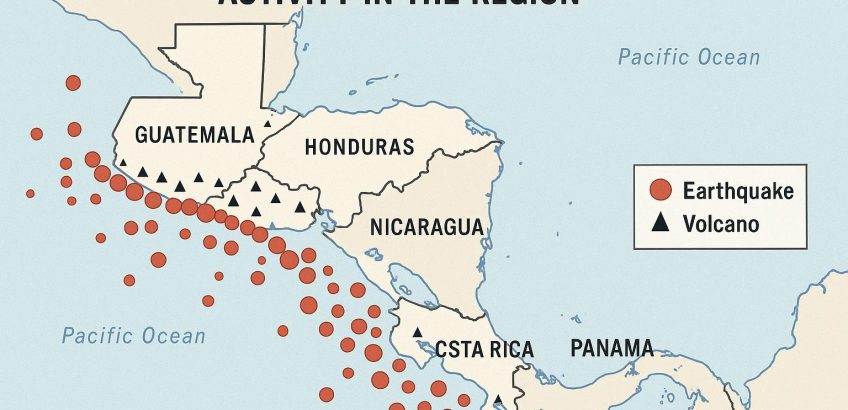
Earthquakes and volcanic activity in the region
Introduction
The relationship between earthquakes and volcanic activity has long intrigued scientists and policymakers alike, especially in areas susceptible to such natural events. Both phenomena are significant in understanding the Earth’s dynamic processes and play a critical role in shaping the planet’s surface. This exploration covers the factors contributing to these events, their intricate connections, and the extensive effects on regions where they are prevalent.
Causes of Earthquakes
Earthquakes are primarily instigated by the movements of tectonic plates. These immense slabs, constituting the Earth’s crust, are in constant motion across the planet’s molten underlayer. The boundaries where these plates interact, known as fault lines, are often sites of friction. As these tectonic plates grind against or move past one another, stress accumulates. Eventually, this stress is released in the form of seismic waves, causing the ground to tremble—a phenomenon known as an earthquake.
Types of Earthquakes
Tectonic Earthquakes: As the most prevalent form, these earthquakes are directly related to the shifts and collisions of tectonic plates. Such earthquakes can vary greatly in intensity, from minor tremors to catastrophic events with far-reaching impacts.
Volcanic Earthquakes: Less common than their tectonic counterparts, volcanic earthquakes are directly linked to volcanic activity. These occur due to the movement of magma beneath a volcano, which causes stress in the surrounding rocks and results in minor to moderate ground movement.
Volcanic Activity
Volcanic activity emerges from the ascent of magma from the Earth’s mantle toward the surface. This process can lead to eruptions, which are diverse in nature—ranging from gentle lava flows to explosive events that can have significant local and even global consequences.
Types of Volcanoes
Shield Volcanoes: Recognizable by their broad, domed shape, these volcanoes are from eruptions of low-viscosity lava that travels and cools over large areas. Notably less explosive than other types, they are often associated with gentle, flowing eruptions.
Stratovolcanoes: Also known as composite volcanoes, these are characterized by their steep profiles and periodic, explosive eruptions. The alternating layers of solidified lava flows, volcanic ash, and other volcanic debris give stratovolcanoes their distinct layered structure. These volcanoes can pose significant hazards, including pyroclastic flows and lahars.
Earthquakes and Volcanoes: The Connection
The interconnection between earthquakes and volcanoes is intricate and significant. Earthquakes can act as precursors, occur simultaneously, or follow volcanic eruptions. This occurs because the movement of magma generates pressure within the Earth’s crust. This pressure can cause rock fractures, resulting in earthquakes, or release stored stress in faults, leading to seismic activity.
Seismic Monitoring
Seismic monitoring is a critical part of understanding and predicting volcanic activity. By employing advanced tools to analyze seismic data, scientists aim to anticipate volcanic eruptions better. However, despite technological advances, predicting the precise timing and magnitude of both earthquakes and volcanic eruptions remains challenging due to the complexity of these natural systems.
Impact on Regions
The impacts of earthquakes and volcanic activity are profound and multifaceted. Immediate consequences include the loss of life, injury, and destruction of infrastructure which can severely disrupt communities. Long-term effects can reshape landscapes, alter ecosystems, and even influence climate patterns over time. For instance, large volcanic eruptions can inject massive amounts of ash and sulfur dioxide into the atmosphere, potentially leading to temporary climate changes.
Adverse Effects on Development
In regions heavily affected by earthquakes or volcanic eruptions, economic development often faces significant hurdles. Infrastructure damage can set back growth, while the need for disaster recovery diverts resources from more productive channels. This complex interplay between natural events and human development underscores the importance of robust planning and infrastructure investment.
Adaptation and Preparedness
Regions susceptible to seismic hazards benefit greatly from comprehensive planning and infrastructure interventions designed to withstand such dynamic events. This often includes enforcing stringent building codes, creating and disseminating emergency response plans, and conducting regular public education campaigns on earthquake and volcanic preparedness. Such efforts are instrumental in minimizing human casualties and property loss during these events.
Mitigation Strategies
Besides structural and educational interventions, science-driven approaches play a critical role. This includes the deployment of early warning systems, which provide crucial lead time for evacuation or other protective measures. Furthermore, climate modelling and geological surveys contribute valuable insights into the likelihood and potential impact of future seismic activities.
Conclusion
The intricate relationship between earthquakes and volcanic activity highlights the importance of ongoing research and technological advancements in monitoring these phenomena. Understanding this interplay not only advances scientific knowledge but also aids in developing effective risk mitigation strategies. Through continued research and application of these insights, societies can enhance their preparedness, reducing the risks and maximizing resilience against these powerful Earth processes.