
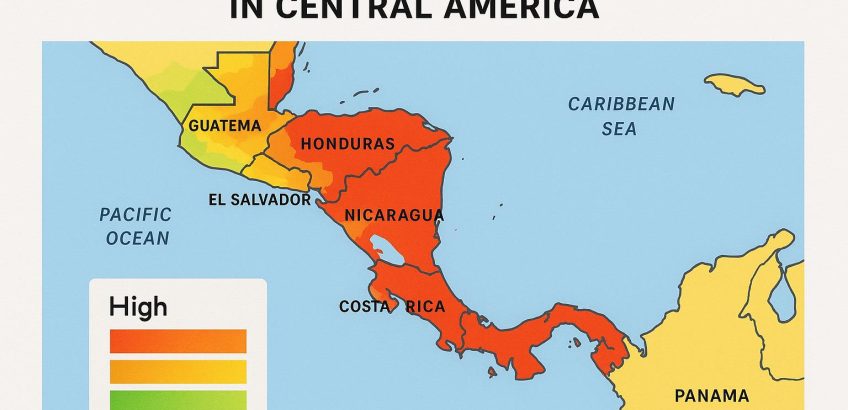
Renewable energy potential in Central America
Overview of Renewable Energy in Central America
Central America is a region equipped with significant potential for the development of renewable energy. The combination of geographical, topographical, and climatic conditions provides this area with a variety of options for utilizing renewable energy sources such as solar, wind, hydroelectric, and geothermal power. If these resources are effectively harnessed, the region could see a noteworthy decrease in carbon emissions and an increase in energy security, crucial for sustainable development.
Solar Energy Prospects
Given its proximity to the equator, Central America is endowed with an abundant solar resource. The region benefits from substantial sunlight throughout the year, making solar energy projects an attractive proposition. Solar panels can be strategically installed in various locations, from densely populated urban rooftops to expansive rural farmlands. This decentralized model of energy generation enables communities to produce electricity in a more sustainable manner. The technological advancements in photovoltaic cells continue to improve both the efficiency and cost-effectiveness of solar installations, thereby increasing the feasibility and affordability of solar power across Central America. As these technologies evolve, the region stands to gain considerably by integrating more solar energy into its energy mix.
Wind Energy Opportunities
Wind energy emerges as another promising renewable resource for Central American countries. The region, particularly its coastal areas, enjoys favorable wind conditions suitable for energy generation. Notable progress has already been made, with countries such as Nicaragua and Costa Rica investing significantly in wind power projects. These investments are a testament to the increasing reliance on renewable energy sources throughout the region. By employing enhanced mapping techniques and analyzing wind patterns, Central America can optimize these wind energy projects further. Accurate data and technological implementation will play a pivotal role in maximizing the efficiency and effectiveness of wind energy initiatives.
Hydroelectric Potential
Hydroelectric power has traditionally been an integral component of Central America’s energy portfolio. The region’s numerous rivers and ideal topographical features provide ample opportunities for hydroelectric expansion. Existing infrastructure creates a foundation for growth, yet there remains much potential for exploring new sites and increasing the region’s hydroelectric capacity. However, it is vital that these projects are managed sustainably. Addressing the ecological impact and protecting natural habitats is essential to ensuring that hydroelectric development aligns with environmental conservation goals.
Geothermal Resources
The geographical location of Central America, particularly its position along the Pacific Ring of Fire, offers considerable promise for geothermal energy development. Countries such as El Salvador have already made significant strides by tapping into geothermal resources, demonstrating their substantial benefits. The capacity for stable and reliable energy supply coupled with a small environmental footprint makes geothermal power especially appealing. Future exploration, coupled with strategic investments, could further unlock the geothermal potential available to other nations within the region.
Challenges and Considerations
Despite its wealth of renewable resources, Central America faces several challenges in fully capitalizing on its potential for renewable energy development. Political instability, limited financial investment, and infrastructural deficiencies present notable barriers. Overcoming these obstacles will require concerted efforts from multiple stakeholders, including governments, private investments, and international organizations. Policymakers must focus on creating a conducive environment that fosters cross-border cooperation and encourages investments. By streamlining bureaucratic processes and enhancing governmental support for renewable energy initiatives, Central America can more effectively harness its natural resources for sustainable growth.
Future Outlook
The future outlook for renewable energy in Central America is promising. The potential for increased energy independence through renewable sources is a critical component of the region’s sustainable development strategy. By reducing reliance on fossil fuels, Central American countries can pave the way for economic growth and create a sustainable energy infrastructure. Ongoing research, continuous technological advancements, and strategic investments bear significant importance in transitioning to a more sustainable energy future.
Investing in educational programs and establishing partnerships with global leaders in renewable energy technology will accelerate this transition. The utilization of renewable resources offers economic advantages by reducing energy costs in the long term while providing energy security to some of the region’s more remote communities.
For a deeper exploration of renewable energy initiatives and specific project details, interested readers may consult various energy-dedicated resources available globally. Engaging with these resources can lend insight into both current efforts and future opportunities for enhancing Central America’s renewable energy capacity. Numerous energy-focused organizations are engaged in documenting and promoting these initiatives, providing valuable information for stakeholders interested in participating in or understanding the renewable energy landscape in Central America.