
Urbanization trends in Central America
Urbanization Trends in Central America
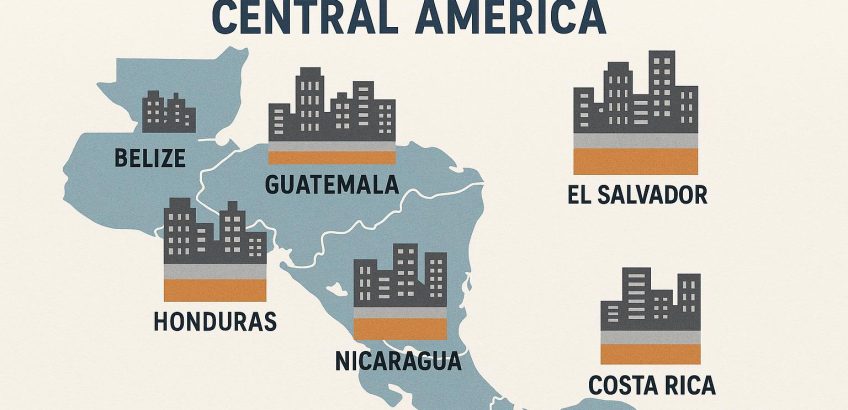
Urbanization in Central America is a dynamic process that significantly influences the region’s economic, social, and environmental landscapes. This transformation is characterized by a steady migration of people from rural to urban areas, largely motivated by the search for better opportunities and living conditions.
Key Drivers of Urbanization
Several factors drive urbanization in Central America. Economic opportunities in urban centers are a primary pull factor. Cities tend to offer more jobs, better education, and improved healthcare services. Additionally, the agricultural sector’s limitations in rural areas push people towards cities where diversified economies provide alternative livelihoods.
Natural disasters also play a role in urbanization. Central America is prone to a variety of natural hazards, including hurricanes, earthquakes, and volcanic eruptions. These events can devastate rural areas, prompting residents to relocate to cities for safety.
The Transition from Rural to Urban: A Closer Look
Many people moving from rural areas view cities as zones of promise where life can be vastly different from the environments they leave behind. Rural life, often characterized by subsistence farming, limited access to educational facilities, and basic healthcare, pushes people to seek urban areas offering expanded opportunities. However, this migration is not solely based on personal choice; it is frequently a necessity driven by socio-economic pressures and environmental challenges in rural zones.
The Role of Economic Opportunities
Central American cities, such as Guatemala City, San Salvador, and Panama City, have increasingly become economic hubs within their countries, offering employment in sectors like commerce, industry, and services. As a result, people gravitate towards these urban environments where they perceive a greater potential for economic mobility. Job prospects become a significant attraction, with urban areas providing more diverse employment opportunities compared to the limited scope in rural locations.
Educational and Health Services As Pull Factors
Beyond economic factors, urban centers present enhanced educational opportunities, with institutions offering diverse curricula and specialized training that rural areas cannot match. Additionally, urban regions often have superior healthcare facilities equipped to deal with complex medical issues, contrasting with the basic healthcare services in rural regions, which are frequently overwhelmed and under-resourced.
Challenges of Urbanization
Implications of Urban Growth
The rapid urbanization in Central America brings both challenges and opportunities. Economically, urbanization can lead to growth, as cities can become centers of innovation and commerce. However, without adequate planning, urban growth can strain infrastructure, leading to issues such as traffic congestion, inadequate housing, and limited public services.
Socially, urban areas can offer improved access to education and healthcare. Yet, the influx of people can also exacerbate inequalities and lead to the growth of informal settlements. Addressing these challenges requires comprehensive urban planning and investment in infrastructure and social services.
Impact on Urban Infrastructure
The strain on existing urban infrastructure is a pressing issue. Increased demand for transportation leads to traffic jams, while pressures on public utilities like water and electricity can result in services that fail to meet residents’ needs. Moreover, without sufficient investment in housing, the rapid inflow of people can lead to crowding and the proliferation of informal housing sectors or slums, which often lack basic amenities.
Economic Implications and Inequality
While cities can drive economic growth, they can also deepen existing socio-economic divides. The rapid urbanization process can result in economic inequality becoming more visible as wealthier residents have access to the new amenities and economic utilities, whereas poorer populations are often marginalized in overcrowded and lower-income neighborhoods. Overcoming these divides requires targeted economic policies that support inclusive growth across all sectors of society.
Environmental Concerns
Urbanization can lead to environmental challenges, including deforestation, pollution, and strain on water resources. Cities expand at the expense of surrounding natural areas, and this expansion can disrupt ecosystems. Effective urban planning must include sustainable practices to mitigate these impacts and promote greener urban environments.
Addressing the Environmental Impact
Without careful management, urban growth often leads to negative environmental impacts. Expanding cities can induce deforestation and the destruction of green spaces, which are sources of biodiversity and play a crucial role in maintaining ecological balance. Air and water pollution become more pronounced as industrial activities increase, and waste management systems often struggle to keep pace with the additional refuse generated.
Water Resource Management
Cities in Central America are seeing increased demand on water resources, necessitating enhanced strategies for sustainable water management. As populations grow, the need for potable water rises, and without appropriate systems to manage this demand, water scarcity could become more frequent. Sustainable urban planning must include effective water management strategies, ensuring resources are available and pollution is minimized to promote long-term urban health.
Sustainable Urban Planning
To counteract these environmental effects, sustainable urban planning strategies are vital. Integrating green spaces into urban designs, implementing stricter environmental regulations, and encouraging practices like recycling and the use of renewable energy can help mitigate the negative environmental impacts of rapid urbanization. These measures not only protect ecosystems but also improve the quality of life for urban residents.
Future Outlook and Strategies
The future of urbanization in Central America hinges on the capacity of governments and communities to address these multifaceted challenges through strategic planning and sustainable development practices. Investing in public transportation, expanding affordable housing, and integrating climate-sensitive policies are critical measures. Regional collaborations can also enhance urban resilience and sustainability.
Governments’ Role in Urban Development
Central American governments play a pivotal role in shaping the trajectory of urban growth. Investment in infrastructure that prioritizes public transport, energy efficiency, and climate resilience is crucial. Policy frameworks that focus on equitable access to resources can ensure that as cities grow, they do so sustainably and inclusively.
Regional Collaborations and Global Insights
Regional cooperation can enhance urban resilience by sharing resources and knowledge across borders. Engaging with global frameworks and organizations, such as the United Nations Urbanization Program, can provide Central American countries with tools and strategies to develop urban centers that are both resilient and sustainable. Collaborative efforts can lead to shared policies on issues such as climate change adaptation, which is especially pertinent given the shared geographical risks faced by these countries.
Conclusion
Understanding and effectively managing urbanization trends is essential for the sustainable development of Central America. By addressing the associated challenges and leveraging opportunities, the region can foster inclusive and resilient urban environments. With targeted strategies and proactive planning, urbanization can become a tool for positive change in the region, driving economic growth, reducing inequalities, and promoting environmental stewardship.