
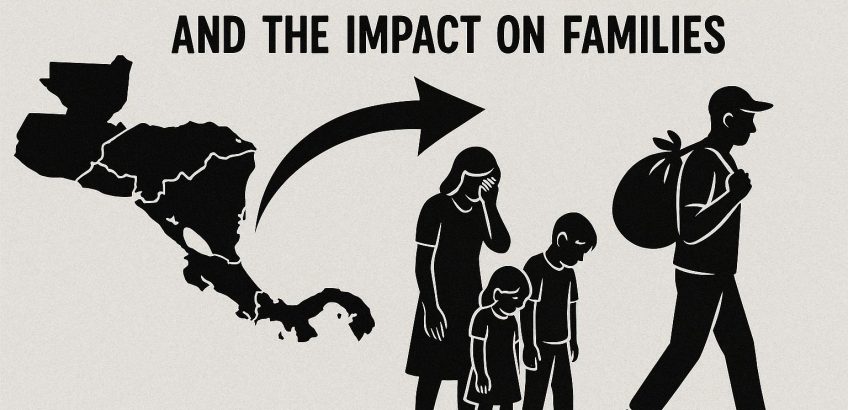
Migration and the impact on families
Understanding Migration
Migration is a multifaceted global phenomenon that entails the movement of people from one place to another, typically across international borders. This vast movement is driven by a myriad of factors ranging from the pursuit of economic opportunities, conflicts between or within nations, and environmental changes, to the desire for family reunification. Gaining an in-depth understanding of the impact of migration on families is essential for policymakers, communities, and social service providers.
Economic Impact on Migrant Families
Migration often revolves around the search for better economic opportunities. In this context, remittances play a pivotal role in supporting the families left behind in the migrants’ home country. Remittances, monetary contributions sent back home by migrants, are a significant source of income for numerous households. These funds contribute to upgraded living conditions and facilitate access to education and healthcare services. For more detailed statistics on remittances, you might want to visit the World Bank’s official website.
Despite the economic benefits, migration can also introduce financial strains. The families left behind might grapple with the economic costs associated with migration, which include travel expenses, legal fees, and other related expenditures. These costs can burden and substantially impact household budgets, creating an economic challenge in the quest for improved livelihoods. While some migrant families may thrive through successful economic integration, others find themselves in precarious situations, facing difficulties in achieving financial stability in a new environment.
Social and Cultural Effects
Migration has profound effects on social and cultural aspects, often reshaping family dynamics and cultural practices. The physical separation of family members due to migration can induce emotional distress and disrupt traditional roles within the family unit. For instance, children may grow up with limited contact with one or both parents, which may impact their emotional and social development.
Cultural adaptation presents another layer of complexity for migrant families, as they endeavor to integrate into new communities. Some families may readily embrace and quickly adapt to their new cultural surroundings, fostering a sense of belonging and cultural exchange. Conversely, others may encounter challenges, including overcoming language barriers, facing discrimination, and integrating into communities with distinct cultural norms. Such obstacles require time and resources to overcome, highlighting the importance of support systems in aiding this adaptation process.
Impact on Children
Children in migrant families are particularly susceptible to unique challenges that stem from the migration experience. For many, the education systems in their new countries differ greatly from their previous experiences, leading to difficulties in navigating these differences and consequent educational discrepancies. Moreover, these children may face cultural gaps between their family’s traditions and the social norms of their peers in the new environment, potentially leading to identity issues and a sense of disconnect.
The psychological impact on children as a result of separation from a parent, or the pressures to assimilate swiftly into new societies, can be profound. Organizations such as UNICEF underscore the necessity of fostering supportive environments that address these challenges and strive to provide a sense of normalcy and stability for children amidst change.
Policy and Support Systems
The development and implementation of effective policies and support systems are imperative to address the challenges encountered by migrant families. Both governments and international organizations are actively working on frameworks designed to foster the well-being of migrants and their families, focusing on assurances of access to essential services like education, healthcare, and legal assistance.
Community-based support networks play a crucial role in this regard, offering language classes and counseling services as examples of initiatives that can significantly aid migrant families in adjusting to their new surroundings. By doing so, such support systems help alleviate the stress associated with migration, facilitating a smoother transition for migrant families into their new homes and communities.
Understanding and addressing the multifaceted impacts of migration on families are crucial to fostering societies that respect and harmonize all their members. It involves a collective effort whereby governments, communities, and organizations collaborate to craft policies that truly address the diverse needs of migrants and their kin. In striving for inclusivity and the integration of migrant families, societies can benefit from the rich diversity and cultural dynamism these families bring.
As we explore the dynamics of migration and its effects, it is important to consider the specific needs and circumstances faced by different migrant groups. Tailoring supportive mechanisms to suit these varied needs can make a significant difference in facilitating successful integration and enhancing the overall resilience of migrant families. Encouragingly, as more knowledge is gathered and shared about migration’s impacts, there are increasing opportunities for creating informed policies that cater to the long-term success and well-being of migrant communities across the globe. By doing so, the aim is to shape more equitable and inclusive societies that not only accommodate but also celebrate diversity and the enriching contributions of migrants and their families.