
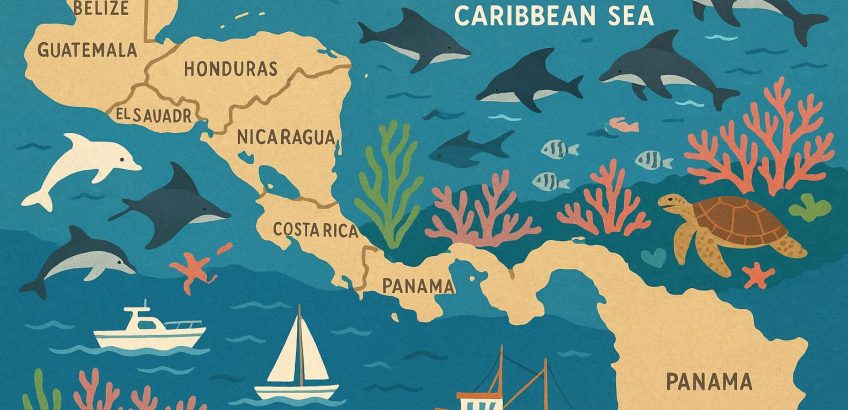
Marine conservation in the Caribbean and Pacific
Marine Conservation Efforts in the Caribbean
The Caribbean Sea, a region celebrated for its vibrant marine biodiversity, is facing numerous environmental challenges that threaten its unique ecosystems. The conservation of its marine environment has become increasingly essential. Various initiatives and programs are being deployed to tackle the challenges that endanger this vital area.
The Caribbean region is known for its vibrant marine life, which includes a range of ecosystems such as coral reefs, mangroves, and seagrasses. Each of these plays a crucial role in maintaining the ecological balance and supporting the livelihood of many species, including humans. Understanding and addressing the threats to these ecosystems is necessary for preserving the region’s rich biodiversity.
Coral Reef Restoration
Coral reefs are indispensable as they provide habitat and food for a diverse range of marine species in the Caribbean. They are often referred to as the “rainforests of the sea” due to their rich life forms and complex structures. Unfortunately, coral reefs are severely threatened by various factors, including climate change, which causes coral bleaching, overfishing, which disrupts the balance of marine species, and pollution, which degrades the water quality.
To combat these threats, various organizations are engaging in coral restoration projects. These projects primarily focus on cultivating coral nurseries. In these nurseries, young corals are nurtured and grown until they reach a suitable size and health to be transplanted to damaged reef areas. This technique encourages regeneration and helps rehabilitate degraded reefs, restoring them to their former vibrancy, which is crucial for the biodiversity of the region. An important aspect of these efforts is the collaboration with scientific communities to ensure the methodologies used are effective and sustainable.
Protected Marine Areas
The establishment of Marine Protected Areas (MPAs) within the Caribbean is a strategic effort aimed at conserving vital habitats and species. These designated areas impose restrictions on human activities, such as fishing and tourism, to allow ecosystems to recover naturally. MPAs serve as safe havens for marine life, enabling populations to rebuild and ecosystems to regain their ecological functions.
The Caribbean Challenge Initiative is a significant player in this domain. It advocates for the protection of 20% of marine and coastal ecosystems by the year 2020, a target that highlights the regional commitment to preserving marine biodiversity. This initiative promotes cross-border cooperation among Caribbean nations, encouraging them to collectively safeguard their oceanic resources and ensure sustainable use for future generations. The success of MPAs relies on effective management and compliance with regulations, often achieved through international collaboration and assistance.
Sustainable Fishing Practices
Overfishing is a dire threat to marine biodiversity in the Caribbean. Unsustainable fishing practices can lead to the depletion of fish stocks, upsetting the ecological balance and threatening the food security of local communities. Transitioning to sustainable fishing practices is crucial to ensuring the long-term health of marine ecosystems.
This transition involves the implementation of various measures such as setting quotas to limit the number of catches, enforcing seasonal bans to allow fish populations to regenerate, and prohibiting destructive fishing methods like trawling and dynamite fishing. NOAA Fisheries plays a pivotal role in promoting sustainable fishing practices through regional collaborations and policy advocacy. These efforts are essential for preserving fish populations and supporting the fishing industry’s sustainability, which many Caribbean communities depend on for their livelihood.
Community Engagement
Successful conservation efforts heavily rely on the involvement of local communities. Education and awareness campaigns are essential tools for highlighting the importance of marine conservation and instilling a sense of stewardship among residents. By engaging communities, conservation initiatives can tap into local knowledge and foster a culture of conservation.
Community-based monitoring programs are another innovative approach to conservation, empowering residents to actively participate in environmental protection. Through these programs, local communities can track changes in their marine environment, provide valuable data for scientific research, and take corrective actions to mitigate threats. Additionally, engaging community members helps build resilience in the face of environmental changes and ensures that conservation methods are culturally appropriate and context-specific.
Marine Conservation Initiatives in the Pacific
The Pacific Ocean, encompassing the largest and deepest ocean basin, is home to unique marine species and diverse ecosystems. Similar to the Caribbean, the Pacific faces various environmental threats that necessitate robust and comprehensive conservation strategies.
Large-Scale Marine Reserves
In response to the environmental challenges facing the Pacific, several nations within the region have established large-scale marine reserves. These reserves serve as protected sanctuaries for marine life, offering respite from human-induced pressures and enabling ecosystems to thrive. The Republic of Kiribati, for instance, has created the Phoenix Islands Protected Area, which stands as one of the largest marine protected areas globally.
The primary objective of these reserves is to preserve biodiversity and contribute to global efforts to maintain healthy oceanic ecosystems. By setting aside significant portions of ocean space as protected areas, these reserves help mitigate threats such as overfishing, habitat destruction, and pollution, ensuring that marine habitats remain resilient and productive for generations to come.
Addressing Plastic Pollution
Plastic pollution has become an alarming problem in the Pacific Ocean, with detrimental effects on marine life and habitats. Plastics, which are non-biodegradable, accumulate in the ocean, breaking down into smaller particles known as microplastics, which are ingested by marine animals, causing harm and sometimes death.
Numerous organizations are actively involved in addressing this issue through cleanup operations and advocacy to reduce plastic waste. Greenpeace is especially active in campaigning against plastic pollution in marine environments, working towards reducing plastic production and encouraging recycling and waste management initiatives. Raising awareness and advocating for policy changes that limit single-use plastics are critical components of these efforts.
Ancestral and Indigenous Knowledge
Incorporating indigenous knowledge into conservation efforts provides a unique perspective that is often overlooked in conventional methods. Traditional practices, which have sustained Pacific island communities for centuries, offer valuable insights into sustainable resource management. These practices are based on a deep understanding of the natural environment, gained through generations of observation and experience.
Collaboration with indigenous groups can enhance conservation strategies, ensuring they are culturally sensitive and environmentally effective. By integrating ancestral knowledge with modern science, conservation initiatives can benefit from a holistic approach that respects cultural heritage while addressing contemporary environmental challenges. This collaboration also fosters cultural preservation, promoting the continuance of traditional ecological knowledge for future generations.
Conclusion
Marine conservation is a critical global issue that demands concerted efforts from stakeholders at all levels. The Caribbean and Pacific regions, with their diverse and rich marine ecosystems, exemplify both the challenges and successes in the field of marine conservation. Implementing effective strategies, engaging local communities, and fostering international collaboration are integral to achieving healthier marine environments. By safeguarding these vital ecosystems, we contribute to the global pursuit of environmental sustainability and ensure that future generations inherit a thriving and balanced natural world.