
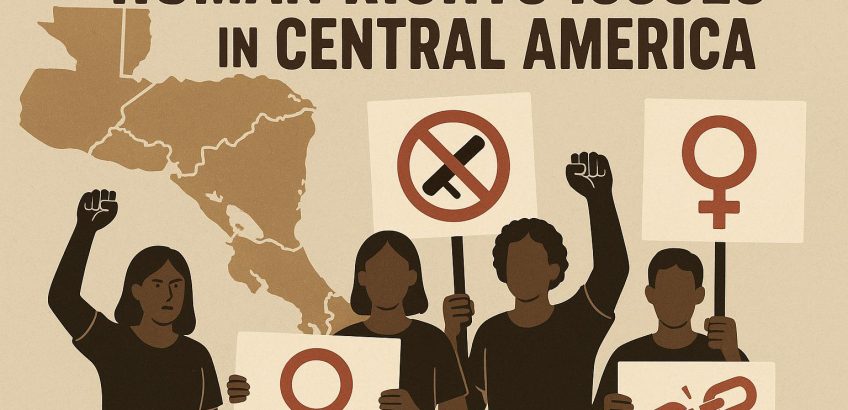
Human rights issues in Central America
Overview of Human Rights Issues in Central America
Central America, encompassing countries such as Guatemala, Honduras, El Salvador, Nicaragua, Costa Rica, and Panama, is a region often characterized by vibrant cultures and scenic landscapes. However, beneath this surface lies a complex tapestry of human rights challenges. These issues, deeply rooted in historical conflicts, socio-economic disparities, and political instability, necessitate a comprehensive understanding to foster awareness and promote change.
Political Instability and Violence
Political instability remains a pervasive challenge in many Central American countries, significantly contributing to ongoing human rights violations. In countries like Honduras and Nicaragua, the political climate often swings between turbulence and tenuous calm. This volatility is more than just a backdrop; it plays an active role in precipitating and perpetuating human rights abuses.
For instance, Honduras has been a hotbed of political unrest, which frequently escalates into violence against civilians. This is not just limited to fleeting skirmishes but includes systemic issues like arbitrary arrests and the excessive use of force against peaceful demonstrators. Such incidents underscore a broader pattern of state oppression, where authorities often resort to suppressing dissent to maintain control.
In Nicaragua, the political environment has similarly fueled human rights abuses. The government’s approach is often characterized by intolerance toward opposing voices, creating a climate of fear and repression, which further entrenches the cycle of instability and violence. The state’s heavy-handed measures against political opponents and civilians alike highlight the pressing need for political reforms and respect for fundamental human rights.
Challenges to Freedom of Expression
The right to freedom of expression is a cornerstone of democratic societies, yet it faces numerous hurdles in Central America. Journalists and activists, whose roles are critical in holding power to account and informing the public, often find themselves at risk. They are regularly subjected to threats, violence, and intimidation, which serve as tools of suppression wielded by those in power.
Nicaragua presents a stark example of the erosion of press freedom. The government has instituted stringent laws and mechanisms aimed at curtailing the independence of the media. As highlighted in various reports from organizations like the Committee to Protect Journalists, the media landscape in Nicaragua is marred by censorship and harassment, creating an environment where self-censorship becomes a survival tactic for many journalists.
These challenges extend beyond physical threats to the strategic use of legal frameworks to stifle dissent. Journalists often face trumped-up charges or prolonged legal battles, tactics that drain resources and stifle independent reporting. This attack on media freedom not only affects practitioners but also the public, as it limits their access to unbiased information and undermines democratic discourse.
Systemic Issues in the Justice System
Judicial systems across Central America are often beleaguered by systemic inadequacies such as corruption and ineffectiveness, which undermine the rule of law and erode public confidence. These issues are particularly pronounced in countries like El Salvador, where the legal apparatus struggles against criticisms of corruption and poor governance.
El Salvador’s justice system, for instance, is often described as weak and lacking transparency. The prevalence of corruption within the judiciary compromises the delivery of justice, leaving human rights violations unchecked and perpetrators unaccountable. As indicated by organizations like Amnesty International, the high rates of impunity in the country signify a critical need for judicial reforms that ensure equity and justice for all citizens.
Furthermore, access to justice is frequently restricted, particularly for marginalized communities. This gap fosters a culture of impunity, where victims of human rights abuses have little recourse to seek redress or protection. Strengthening the judicial system is thus paramount for safeguarding human rights and upholding the rule of law.
Migrant and Refugee Crisis
Central America is at a pivotal crossroad of migration, with numerous individuals escaping violence, poverty, and persecution. The resulting migrant crisis poses significant human rights challenges, fraught with dangers such as human trafficking, exploitation, and abuse. The migration phenomenon also places immense pressure on transit and host countries, necessitating a robust and humane response from the international community.
Reports from entities like the UNHCR illustrate the scale of this crisis and highlight the vulnerabilities faced by migrants. These individuals, often fleeing dire circumstances, face an uncertain future marked by perilous journeys and uncertain asylum processes. The conditions they encounter en route underscore the urgent need for strengthened regional and international cooperation to address root causes and enhance protective measures.
Apart from immediate physical dangers, migrants also encounter legal and bureaucratic hurdles that impede their quest for asylum. Host countries often lack the resources or political will to provide adequate support, leading to overcrowded facilities and inadequate living conditions. A sustainable solution requires addressing the systemic issues driving migration and fostering an inclusive dialogue among global actors.
Indigenous Peoples’ Rights
Central America’s rich cultural diversity is significantly enhanced by its indigenous populations. However, these communities often face persistent challenges, including land disputes, discrimination, and socio-economic marginalization. Despite international and regional frameworks aimed at protecting indigenous rights, implementation often falls short, exacerbating existing disparities.
In Guatemala, for instance, indigenous groups are frequently marginalized in policy-making processes, leading to inadequate protection of their rights and resources. Land is a critical issue, with indigenous territories often threatened by external entities seeking economic gains. This not only violates their ancestral rights but also threatens their cultural heritage and way of life.
Moreover, indigenous communities often face systemic barriers that hinder their access to education, healthcare, and economic opportunities. These disparities highlight the need for policies that are not only inclusive but also culturally sensitive and respectful of indigenous autonomy and traditions.
Conclusion
Addressing the diverse human rights challenges in Central America requires a multifaceted approach, emphasizing comprehensive reforms and robust international collaboration. It is imperative that stakeholders, including governments, civil society, and international organizations, work together to develop effective strategies that uphold human rights and promote justice across the region.
Ensuring accountability and protection for vulnerable populations involves prioritizing human rights in policy agendas, bolstering judicial systems, and enhancing the capacity of institutions responsible for safeguarding rights. Through collective efforts, it is possible to build a more just and equitable society where the fundamental rights of all individuals are respected and protected, laying the groundwork for sustainable peace and development in Central America.