
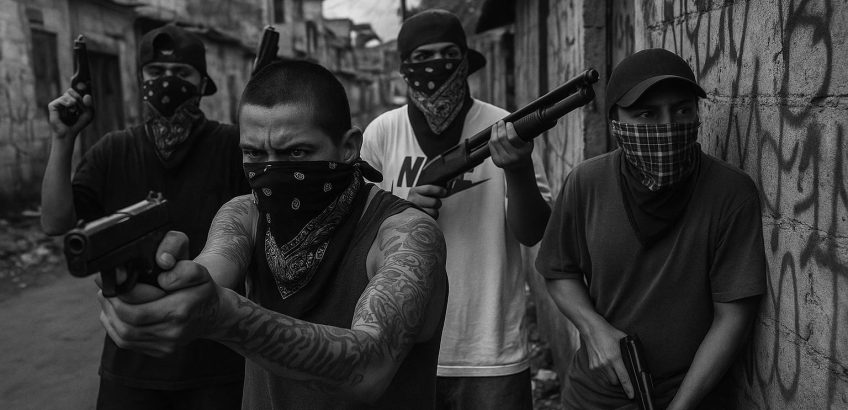
Gang violence and crime in Central America
Overview of Gang Violence in Central America
Gang violence and crime are pervasive challenges confronting several Central American nations, particularly El Salvador, Guatemala, and Honduras. These countries are grappling with some of the highest crime rates worldwide, largely due to the entrenched activities of criminal gangs. The influence of these gangs permeates various aspects of societal life, presenting obstacles to both social development and economic prosperity.
Origins and Spread
The advent of gang presence in Central America is a saga rooted in the late 20th century. The exporting of organized crime from Los Angeles played a pivotal role, as gang members, having been deported, returned to their nations of origin. Most notably, the gangs Mara Salvatrucha (MS-13) and Barrio 18 find their origins in this migratory pattern. From these beginnings, gang-related activities spread with alarming speed, propagating severe security threats across the region. This penetration was catalyzed by not only a return of native elements but also a complex interaction with existing local conditions, including social networks and fragmentation within communities.
Socioeconomic Factors
Understanding the current landscape of gang activity requires examining the multifaceted socioeconomic backdrop that fuels gang growth. Central American societies confront elevated poverty rates, scarce educational access, and restricted employment paths, all of which funnel young individuals into gang membership. Joining a gang is often seen as a pragmatic choice that opens doors to economic benefits and enhances social status, realms that seem unattainable through other means. The absence of substantial governmental and private sectors support in education and job creation compounds these issues, offering limited prospects for upward mobility outside the realm of gang association.
Impact on Society
The reverberations of gang violence in Central America extend wide and deep, profoundly affecting societal structures. Incidents of crime, pervasive extortion, and drug trafficking events have fostered a climate of fear and instability across communities. Research underscores the severe loss of human life and highlights how these endemic activities perpetuate cycles of poverty and retard broader developmental progress. The social fabric is further strained as communities grapple with internal displacements, guided by the need to escape violence and extortion, thus accelerating urban migration and increasing the burden on already stressed infrastructure.
Government Response
In response to gang violence, Central American governments have explored a spectrum of strategies. The pendulum swings between stringent, punitive measures and rehabilitative, social intervention approaches. The *mano dura* (iron fist) tactics epitomize the tough-on-crime sentiment, encompassing enhanced police deployments and the imposition of harsher legal penalties. However, the efficacy of these measures has been debated, as they sometimes lead to human rights violations without achieving long-term reductions in gang activities. Rehabilitation-focused interventions aim to address root causes such as poverty and lack of education, but various challenges, including resource constraints and administrative inefficiencies, pose significant hurdles.
Regional Cooperation
Mitigating gang violence extends beyond national borders, prompting regional cooperation among Central American countries. Such collaborations are crucial in addressing the cross-border elements of gang activities, including arms trafficking and drug routes. Furthermore, international organizations and foreign governments, notably the United States, actively contribute financial assistance and strategic partnerships. Programs such as the [INSPIRES Initiative](https://www.inspiresinitiative.org) represent part of these broader efforts, focused on violence prevention and community empowerment. These initiatives enhance local capacities, fostering environments where restorative justice and preventive measures support a more peaceful coexistence.
Conclusion
Gang violence in Central America remains an intricate and formidable challenge, substantially influencing the region’s societal and economic milieu. Addressing this issue necessitates a coordinated, multifaceted approach encapsulating local governance, regional synergy, and international collaboration. Strategies must prioritize education and economic opportunity, alongside law enforcement, to fracture the historical patterns of gang dominance. Promoting long-term stability and sustainable development hinges on these concerted efforts, ultimately strengthening societies to resist the enticements and pressures that fuel gang recruitment and sustenance. As these initiatives mature, they carry the potential of reshaping Central America’s future, building resilient communities neither defined nor subdued by gang violence.