
Migration policies and their effects
Understanding Migration Policies
Migration policies encompass a vital aspect of how countries manage the flow of people across their borders. These policies are a blend of legal frameworks, economic strategies, cultural considerations, and security measures, all crafted to regulate who can enter a country, the conditions of their stay, and how long they can remain.
Types of Migration Policies
Migration policies can generally be divided into two primary categories: policies for immigrants and policies for asylum seekers and refugees. These categories encompass a broad range of guidelines and procedures that vary significantly depending on regional laws and international conventions.
Policies for Immigrants
Immigrant policies are designed mainly for individuals who wish to relocate to another country primarily for economic reasons, family reunification, or educational pursuits. These policies often involve complex systems to assess the eligibility of potential immigrants. For instance, many countries employ points-based systems, which evaluate candidates based on various criteria such as their skills, education level, and language proficiency. This method aims to select individuals likely to contribute positively to the host country’s economy.
For more detailed information on points-based immigration systems, prospective immigrants can explore resources available at the Migration Policy Institute.
Policies for Asylum Seekers and Refugees
Policies concerning asylum seekers and refugees are largely governed by international law, with the 1951 Refugee Convention being a central legal document. These policies address individuals fleeing their home countries due to persecution or violence, offering them a pathway to safety and protection. Each nation has its own set of procedures for determining eligibility for asylum, which often involves rigorous screening processes and eligibility assessments. The parameters for these procedures are set to ensure both the safety of the host country and the humane treatment of the asylum seekers.
Key Elements of Migration Policies
Migration policies typically incorporate several essential elements, which serve to structure how migration is managed and facilitate orderly processes:
– **Visa Requirements**: These regulations outline the conditions under which individuals can enter a country. Visa types can include work permits, student visas, and family reunification visas, each with specific criteria and limitations.
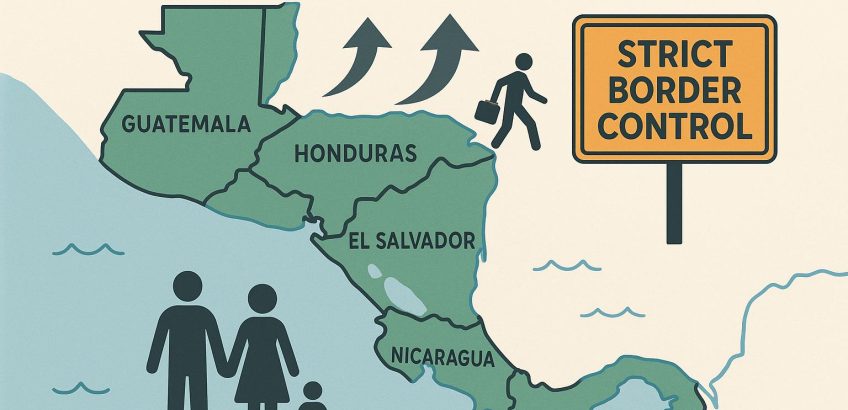
– **Border Control Measures**: These measures include technological solutions and physical infrastructure aimed at regulating entry into the country and preventing illegal or unauthorized crossings.
– **Integration Programs**: These programs are designed to ensure the successful assimilation of immigrants into the local society. They may include language instruction, cultural orientation, and employment support services, helping immigrants become productive members of their new communities.
The success and efficiency of integration programs can vary significantly between countries. Detailed analyses and reports on the effectiveness of these programs can be found through resources provided by the European Commission.
Effects of Migration Policies
Migration policies can have extensive implications, influencing the economic, social, and demographic landscapes of both the countries people migrate from and those they move to.
Economic Impacts
The economic implications of migration policies are multifaceted. On one hand, they can fill labor shortages by bringing in individuals with skills that are in high demand, therefore boosting productivity. On the other hand, they can lead to increased competition for jobs, potentially affecting wage levels and employment opportunities for local citizens. Additionally, the demographic impact of migration can spur economic growth by altering workforce composition and consumer markets.
Social and Cultural Impacts
Migration policies that emphasize integration can help foster multicultural societies, which serve as a melting pot of diverse cultures and traditions. This cultural exchange can enhance societal harmony and understanding. However, more restrictive policies might result in heightened social tensions and challenges in community cohesion, emphasizing the need for balanced and inclusive policy frameworks.
Demographic Changes
Migration plays a critical role in shaping population dynamics, affecting variables such as population size, age distribution, and overall diversity. These demographic shifts can have lasting implications on public services such as healthcare, education, and housing, and they influence the strategic planning of national policies.
Challenges in Developing Migration Policies
Crafting effective migration policies is a complex task that necessitates balancing both national needs and global responsibilities. Policymakers face several challenges, including:
– Balancing security concerns with humanitarian obligations, ensuring that borders are secure while also fulfilling international commitments to protect vulnerable populations.
– Managing public perceptions and addressing misinformation widespread in media and political discourse, which can shape public opinion and policy direction.
– Ensuring that migration policies can adapt to changing global circumstances, such as economic fluctuations, political instability, and environmental changes.
For a more in-depth examination of the challenges associated with migration policies, you can visit the OECD Migration Division.
Conclusion
Developing effective migration policies is essential in maximizing the benefits of migration while mitigating its challenges. Policymakers must ensure these policies are flexible and responsive to global trends and national interests. By doing so, they can create conditions that are mutually advantageous for migrants and host nations, fostering environments where newcomers can thrive and contribute significantly to their new communities. Such foresight and adaptability are crucial in navigating the complexities of international migration in a globalized world.