
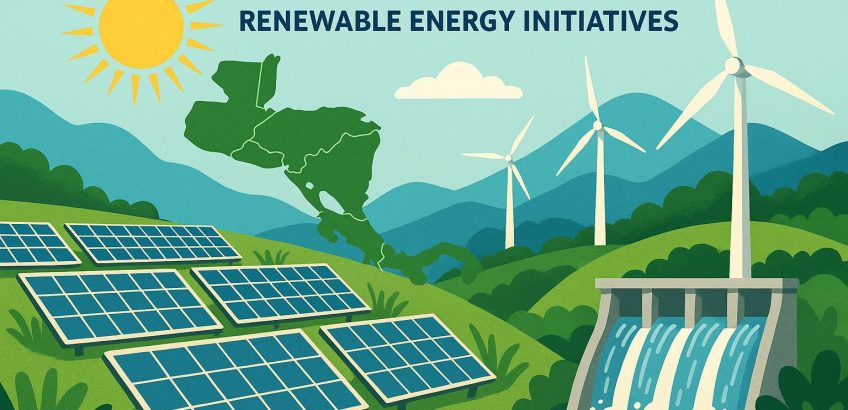
Central America’s renewable energy initiatives
Introduction
Central America is emerging as a significant player in the adoption of renewable energy, fueled by environmental concerns and the need for energy security. Countries in this region are leveraging their abundant natural resources to revolutionize their energy sectors. This article delves into some notable initiatives and achievements across Central America in the realm of renewable energy, shedding light on their growing impact on the global stage.
Hydropower Dominance
For decades, Central America has utilized its natural waterways to power the region. Hydropower continues to stand as the dominant source of renewable energy. Nations such as Costa Rica and Panama have effectively capitalized on their river systems to drive the majority of their energy production. In Costa Rica, hydropower is a major contributor to the country’s ambitious goal of achieving carbon neutrality by 2050. Resources such as the Asociación Renovables offer insights into the methodologies on how these projects are implemented and managed, showcasing an array of successful models.
Geothermal Potential
Several countries in Central America are strategically located along the Pacific Ring of Fire, a hotspot for geothermal energy potential. El Salvador and Nicaragua, in particular, have taken significant steps in harnessing this abundant resource. The Cerro Prieto Geothermal Plant in Nicaragua is a quintessential example of how geothermal power can fulfill substantial portions of a nation’s energy needs. With such success stories, the path is paved for potential future expansion, tapping into yet more geothermal sources to meet increasing energy demands.
Solar and Wind Innovations
While hydropower and geothermal energy currently dominate, solar and wind energy projects are increasingly making their mark. Nations like Honduras and Guatemala are ramping up their investments in extensive solar farms. The El Sauce Solar Plant in Honduras, for example, is among the region’s largest, illustrating the successful integration of solar technologies into the national grid. In a similar vein, wind energy projects, such as the impressive Amayo Wind Farm in Nicaragua, highlight the region’s commitment to diversifying its renewable energy portfolio.
Challenges and Opportunities
Despite laudable progress, Central America is not without its share of challenges on the path of renewable energy development. Political instability, financing challenges, and the pressing need for substantial infrastructure improvements are predominant obstacles that can potentially hinder expansion efforts. However, these challenges are met with significant opportunities for growth and progress. International assistance and strategic partnerships play a crucial role in fostering development. Organizations like the Central American Bank for Economic Integration (CABEI) provide much-needed financial support to energy projects, ensuring that the development and deployment of renewable energies continue unabated.
The Role of Policy and Governance
In advancing renewable energy initiatives, policy frameworks and government commitments take center stage. Many Central American countries have established ambitious national targets and crafted policies aimed at promoting clean energy. This strong governmental backing is crucial in laying the foundation for greater private sector involvement and enhancing international cooperation. A conducive policy environment is integral for creating an industry ecosystem that thrives by fostering innovation and encouraging investment.
Future Outlook
The future of renewable energy in Central America appears promising, with sustained investments and technological advancements projected to accelerate growth. As global awareness of climate change and its consequences intensifies, Central America is positioned to leverage its renewable energy sector, not only as a driver of economic development but also as a crucial instrument in mitigating environmental impacts. By harnessing its natural resources and technological innovations, Central America stands poised to make significant contributions towards global energy security and environmental preservation in the coming years.