
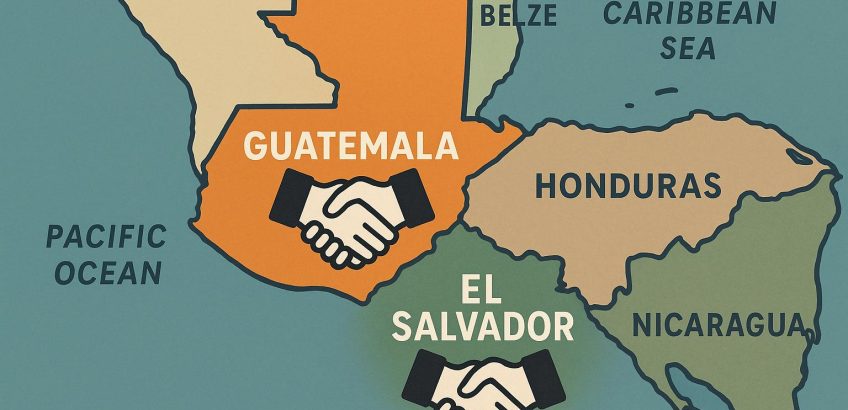
Peace agreements in Guatemala and El Salvador
Historical Context of Peace Agreements
The conclusion of civil wars in Guatemala and El Salvador through peace agreements represents some of the most crucial events in the history of Central America. These agreements not only signify the cessation of conflict but also underscore a commitment to establishing more democratic and peaceful societies in both nations. Here, we explore the broader implications of these pacts, their formulation, resultant reforms, and their enduring influence on contemporary society.
Guatemala’s Peace Accords
Between 1960 and 1996, Guatemala was plagued by a violent civil war featuring clashes between government forces, leftist insurgents, and indigenous communities. The conflict, which lasted an arduous 36 years, resulted in extensive human rights violations and loss of life. December 29, 1996, marked a historic moment as the Guatemalan Peace Accords were signed, ending decades of hostility and opening a new chapter for the country.
Negotiation and Formation of the Accords
The journey towards peace commenced in the early 1990s, with negotiations significantly aided by the United Nations. The parties involved recognized that a sustainable peace required addressing key grievances that fueled the conflict. Therefore, the comprehensive nature of these accords was crucial, as it tackled political disenfranchisement, economic inequality, and social injustices.
Central to the agreement were the stipulations for numerous reforms, touching upon human rights, indigenous people’s rights, demilitarization, and socioeconomic integration. Each of these domains was addressed to ensure long-lasting peace and equality, setting a foundational framework for future governance and societal development.
Human Rights and Indigenous Issues
One of the noteworthy aspects of the peace accords was the emphasis on human rights complemented by a firm acknowledgment of the rights of Guatemala’s indigenous populations. Previous governmental systems had marginalized these communities, exacerbating tensions and distrust. The accord’s provisions promoted dismantling illegal militias and elevating human rights standards to safeguard the population from past abuses.
The peace agreement emphasized increasing political engagement for indigenous people, fostering an environment in which they could contribute significantly to their nation’s political and social landscape. This was a pivotal shift, intending to bridge societal gaps and ensure inclusive development. For further details on Guatemala’s indigenous policies post-accords, see Guatemala’s Indigenous Policies.
Demilitarization and Socioeconomic Integration
Addressing demilitarization was essential for reducing the military’s influence in civilian governance and guaranteeing citizens’ safety. The peace accords also introduced new standards to create balanced civil-military relationships, promoting a democratic environment devoid of the previously significant military dominion.
Economically, the focus was on integrating marginalized communities into the economic framework to reduce poverty and disparity levels. Education, healthcare, and land reforms were implemented as part of these efforts, highlighting the need for economic development that benefits all societal strata, not just a select few.
Peace Process in El Salvador
In El Salvador, the civil war spanned from 1979 to 1992. It was characterized by fierce and violent conflict between the government and the Revolutionary movement, Frente Farabundo Martí para la Liberación Nacional (FMLN), a combination of leftist insurgent groups. The resolution of this decades-long conflict was marked by the signing of the Chapultepec Peace Accords on January 16, 1992, in Mexico City, a monumental event that drew a curtain on a period marked by turmoil and suffering.
Key Elements of the Peace Process
The peace process in El Salvador was bolstered by a wide array of international support, notably from the United Nations, highlighting the significance of global diplomacy in peace-building initiatives. The accords sought to transform El Salvador’s societal structure profoundly, aiming to dismantle its entrenched military mechanisms and facilitate the integration of former combatants into society.
Judicial reforms were another essential aspect of the agreement, aimed at cultivating trust within the citizenry by establishing a fair and impartial legal system. This judicial overhaul was critical in setting a foundation for justice, equality, and the rule of law, essential pillars of any democratic society.
Military Demobilization and Reformation
Central to these reforms was the restructuring and demobilization of the armed forces. The accords called for reducing the military and defining new professional standards to reinstate the military’s position as one of public service rather than oppression. For instance, the formation of the National Civilian Police was an important step to replace old structures, centering around protection and respect for human rights. More on reform initiatives can be accessed at Salvadoran Police Reform.
Military reform was designed not only to decrease the likelihood of future conflicts but also to foster an environment conducive to democracy and civilian government. By focusing on human rights and professionalism within security forces, the accords aimed to create a secure atmosphere for sustainable development and peace.
Outcomes and Ongoing Challenges
The peace agreements in Guatemala and El Salvador have undeniably facilitated stability and progress, significantly improving human rights standards and integrating previously marginalized demographics into the societal fold. However, despite the progress, numerous challenges remain, challenging peace and democracy in these nations.
Ongoing Issues and Legacy of Conflict
Organized crime, socioeconomic disparities, and political corruption are persistent issues that both countries grapple with. These problems hamper development efforts and threaten the stability sorely needed for nurturing democracy. Strategies to combat these issues have been challenging to implement, reminiscent of the structural difficulties rooted in historical conflicts.
The legacy of the civil wars still imprints upon the political and social landscape, influencing policy-making and governance structures. Efforts to address these lingering problems often encounter significant obstacles, underlining the need for enduring vigilance and international support.
In conclusion, the peace agreements in Guatemala and El Salvador mark pivotal experiences in conflict resolution and peace-building. By addressing critical issues such as human rights, demilitarization, and judicial reforms, they serve as vital case studies illustrating the comprehensive nature of effective peace processes. As the regions continue to evolve, these agreements remain a testament to the importance and complexity of rebuilding societies after prolonged conflict.