
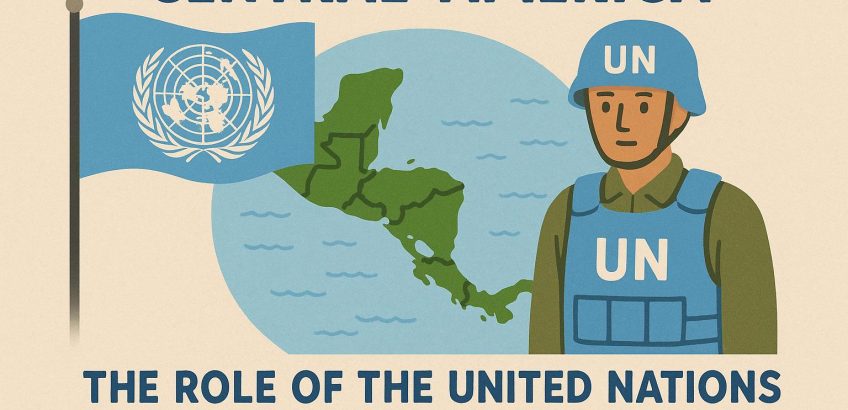
The role of the United Nations in peacekeeping efforts
Introduction to the United Nations’ Peacekeeping Efforts
The United Nations (UN) plays a pivotal role in maintaining international peace and security. Since its establishment in 1945, the organization has been committed to various peacekeeping operations worldwide. UN peacekeeping endeavors to stabilize regions in conflict, facilitate political processes, safeguard civilians, and support disarmament initiatives.
The Framework of UN Peacekeeping
UN peacekeeping is underpinned by three core principles: consent of the parties, impartiality, and non-use of force except in self-defense and defense of the mandate. These principles are fundamental, ensuring that peacekeepers maintain neutrality while performing their duties.
Consent of the Parties
A critical component of peacekeeping is acquiring the consent of the major parties involved in a conflict. This consent is crucial as it provides peacekeeping forces with the authority and freedom to execute their mandates effectively. Without host nations’ consent, missions may encounter numerous challenges, including hostility or obstruction from local factions, which can impede peacekeeping efforts and reduce mission effectiveness.
Impartiality
Impartiality is integral to the success of UN peacekeeping missions. It assures that peacekeepers are neutral facilitators rather than participants in conflicts. To foster trust and cooperation among the conflicting factions, peacekeepers are required to treat all parties equally. This neutrality helps in building confidence among conflicting parties that the UN’s role is unbiased and focused solely on the broader aim of peace and stability.
Non-use of Force
The use of force by UN peacekeepers is constrained and is permitted mainly for self-defense or defending the mission’s mandate. Such a provision ensures that peacekeepers act only as protectors, not aggressors, upholding a delicate balance between peace enforcement and peace-making. This rule is meticulously regulated to prevent adding to conflicts and is pivotal in ensuring peacekeeping missions retain their credibility.
Key Functions of UN Peacekeeping Operations
UN peacekeeping operations are diverse, addressing a broad spectrum of challenges. Though each mission arises from unique circumstances, several core functions are shared across many missions, demonstrating the standard objectives towards fostering peace.
Conflict Prevention and Mediation
The UN actively seeks to prevent conflicts from escalating. Through diplomacy and mediation, the organization addresses underlying causes of conflict and facilitates dialogue between opposing parties. These initiatives are instrumental in producing political negotiations and advocating for peace agreements, considering sustainable peace as a comprehensive solution involving all affected parties.
Protecting Civilians
One of the paramount responsibilities of numerous UN peacekeeping missions is the protection of civilians, particularly in areas of conflict where civilians are often at particular risk. Peacekeepers work to provide security and facilitate humanitarian aid, creating environments that permit safe and secure living conditions. This protection often involves coordinating with local governments and international organizations to provide medical aid, food supplies, and other humanitarian assistance.
Supporting the Rule of Law and Democratic Governance
Peacekeepers also play a vital role in assisting host countries in enhancing governance and implementing the rule of law. Their assistance includes the reconstruction of justice systems, the training of law enforcement personnel, and supporting impartial and transparent electoral processes. The promotion of democratic governance is vital for long-term stability, as it ensures justice, equality, and representation for all citizens.
Challenges Faced by UN Peacekeeping Missions
Although UN peacekeeping missions have had success, they face numerous challenges. These challenges include limited resources, the complexity of political environments, and the need for rapid deployment capabilities. Additionally, ensuring the safety of peacekeepers and securing consistent financial support are persistent obstacles.
Resource Constraints
Peacekeeping operations often function under significant financial and logistical constraints. Limited budgets and resources can hinder the ability to deploy sufficient personnel and equipment necessary for effective mission implementation. Financial limitations can lead to insufficient training, inadequate supplies, and limited technological support, further complicating already delicate missions.
Complex Political Contexts
Many peacekeeping operations are conducted in politically complex environments with numerous factions vying for control and power. Navigating these environments requires skilled diplomacy and continuous engagement with all stakeholders. Decision-making becomes more complicated in such contexts, and peacekeeping missions must adapt to new developments rapidly and effectively.
Safety of Peacekeepers
Peacekeeping personnel often operate in environments characterized by hostility and potential danger, placing them at high risk. Ensuring their safety is critical to the success of missions and requires careful planning, comprehensive strategies, and protective measures. UN peacekeepers must be equipped with adequate health care, personal safety training, and robust security protocols to safeguard both their lives and the mission’s integrity.
Conclusion
The United Nations’ role in global peacekeeping is absolutely essential. Despite numerous challenges, the UN remains steadfast in its commitment to fostering global peace and stability. Future success and the continued support of international communities hinge on adaptability, resourcefulness, and collaboration with local entities. For more information about UN peacekeeping, you may visit the official United Nations Peacekeeping website to discover ongoing missions and initiatives.