
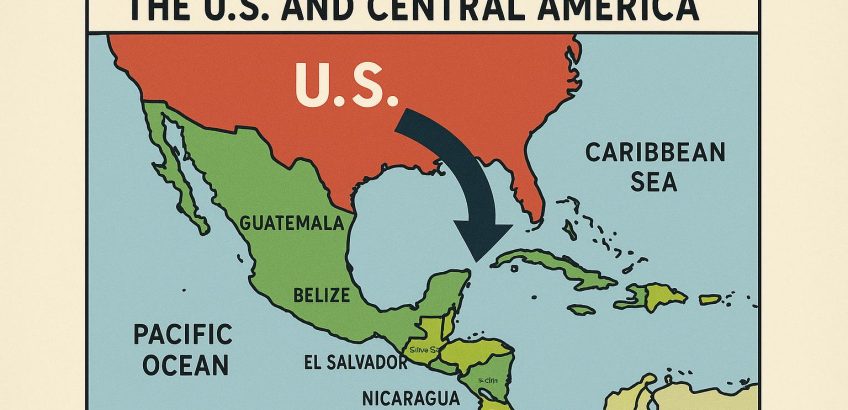
Political relations between the U.S. and Central America
Introduction to U.S.-Central America Political Relations
The relationship between the United States and Central American countries is characterized by a rich tapestry of interactions that have evolved over centuries. This relationship is often influenced by a variety of factors, ranging from geographical proximity to shared historical ties. Despite these connections fostering significant collaboration, differing policy perspectives and political objectives occasionally introduce tensions. Various sectors, namely trade, security, migration, and foreign aid, serve as primary arenas for these interactions.
Historical Overview
The political landscape between the United States and Central America dates back to the late 19th and early 20th centuries. During this period, U.S. involvement was predominantly driven by economic interests and a strategic desire to limit European influence in the Western Hemisphere. This era was marked by active U.S. engagement in the political affairs of the region, often involving direct intervention or the provision of support to regimes aligned with American interests. Such actions have left a lasting legacy, shaping both contemporary political dynamics and perceptions in the region.
The Influence of the Cold War Era
The Cold War era represents a pivotal chapter in U.S.-Central America relations. As tensions between communist and capitalist ideologies heightened worldwide, Central America became a key battleground for influence. The United States adopted a policy of supporting anti-communist regimes and insurgencies. Notably, it backed the Contras in Nicaragua as part of a broader strategy to curb the spread of communism. This period was marked by an intensification of political and military involvement, significantly impacting regional stability and development.
Post-Cold War Developments
With the conclusion of the Cold War, there was a paradigm shift in U.S.-Central America interactions. The primary focus transitioned towards fostering economic integration and promoting democratic governance. Throughout the 1990s, several trade agreements were enacted to encourage economic collaboration. The Central American-Dominican Republic Free Trade Agreement (CAFTA-DR) stands as a significant milestone from this era, aimed at enhancing trade ties and economic cooperation among member nations. Moreover, there was a concentrated effort to promote democratic elections and reinforce political institutions, signaling a commitment to shared democratic values.
Contemporary Issues in U.S.-Central America Relations
The landscape of U.S.-Central America relations in the present day involves a complex array of issues. Migration remains at the forefront, as both regions explore solutions for managing migrant flows. Discussions frequently address the root causes of migration, such as economic hardship, violence, and lack of opportunities. Efforts are made to provide support in addressing these challenges; however, the journey towards comprehensive solutions continues to unfold.
Security cooperation has evolved as a significant focus area, particularly in the fight against drug trafficking and organized crime. Through initiatives like the Central America Regional Security Initiative (CARSI), the United States collaborates with Central American countries to enhance regional security measures. These cooperative efforts aim to strengthen law enforcement capabilities and improve regional stability.
Furthermore, U.S. foreign aid plays a crucial role in fostering economic stability and social development across Central American nations. Targeted investments aim to bolster governance, promote economic growth, and enhance educational and healthcare services. The goal is to create a more conducive environment for peace and prosperity, addressing immediate needs and laying the groundwork for long-term sustainability.
Conclusion
In conclusion, the political relations between the United States and Central America continue to evolve in response to changing regional and global dynamics. These interactions are deeply rooted in a historical context that has seen both cooperation and conflict. While the intricacies of past relations continue to influence modern challenges, ongoing dialogue and initiatives strive to address mutual concerns. The commitment to resolving pressing issues, whether pertaining to migration, security, or economic development, plays a vital role in shaping a more stable and prosperous future for both regions. By navigating these complexities with a focus on cooperation and shared interests, there is the potential to forge a stronger partnership that benefits both the United States and Central America.