
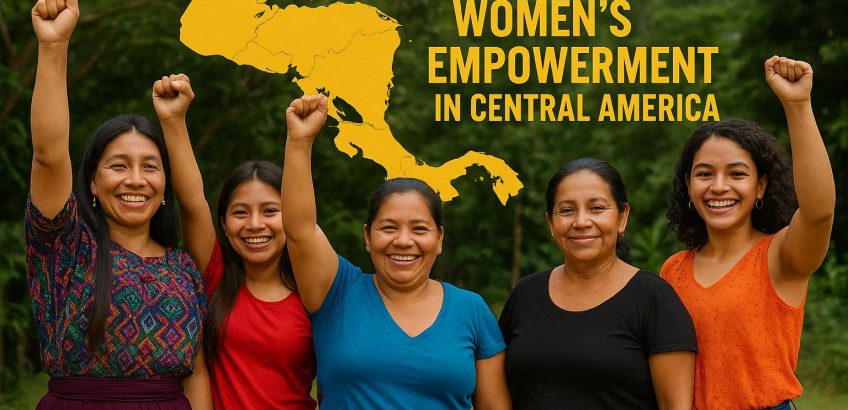
Women’s empowerment in Central America
Introduction to Women’s Empowerment in Central America
Women’s empowerment in Central America remains a significant undertaking, embracing multiple dimensions such as economic participation, political representation, education, and health. While the region has observed noteworthy progress over time, it continues to confront challenges rooted in socio-economic and cultural influences.
Economic Participation
Economically empowering women in Central America is indispensable for uplifting their living conditions and fostering overall national growth. Countries like Costa Rica and Panama have spearheaded numerous initiatives designed to facilitate women’s access to financial resources. Increasing access to credit and fostering entrepreneurial opportunities are pivotal strategies in these countries. These avenues not only enhance individual financial stability but also contribute to broader economic development. Programs that promote financial literacy and vocational training form the backbone of these empowerment endeavors, equipping women with the necessary tools and skills to thrive in the competitive economic landscape.
Initiatives have been devised to cater to the diverse economic environment, emphasizing the importance of equal employment opportunities and the safeguarding of women’s labor rights. Entrepreneurship programs provide women with the knowledge and resources needed to start and grow their businesses. These initiatives often include mentorship, networking opportunities, and access to markets that are crucial for business success. By breaking down barriers to economic inclusion, these efforts expand the horizons for women in Central America.
Political Representation
The political sphere is another vital area for women’s empowerment in the region. Augmenting women’s representation in political institutions is critical for amplifying their voices in decision-making processes. Legislative measures have been put in place in several countries to facilitate this representation. Notably, countries like El Salvador and Honduras have implemented quota systems that mandate a minimum level of female participation in politics. Such measures are instrumental in ensuring that women’s perspectives and experiences are adequately reflected in policy-making.
The efforts towards achieving political parity involve a careful process of reforming electoral frameworks and encouraging women’s participation through educational campaigns and leadership training programs. According to UN Women, there has been substantial progress, yet the ultimate goal remains the attainment of complete parity.
In fostering a political environment that welcomes women’s participation, it is essential to challenge the entrenched gender norms and biases that have historically sidelined women’s roles in leadership positions. Advocacy and educational outreach programs are vital to transforming societal attitudes and creating a political culture where women’s contributions are valued and respected.
Education
Education stands as a formidable tool for empowerment, offering women the knowledge and skills necessary to claim their rightful place in society. In Central America, significant strides have been made towards narrowing the gender gap in education. These efforts have resulted in improved school enrollment rates for girls, signifying a promising trend toward gender equity in education.
Organizations like the Global Partnership for Education play a substantial role in championing projects that enhance educational access and quality, especially in rural areas where disparities are most acute. Such projects often involve constructing educational facilities, providing scholarships, and training teachers to deliver education that is both inclusive and equitable.
Access to quality education equips young girls and women with critical thinking skills, self-assurance, and economic opportunities that they would otherwise be deprived of. Beyond basic literacy and numeracy, education programs are increasingly incorporating technology and science education, ensuring that women can participate in and benefit from the growing demands of the digital economy.
Health
Access to health services and information emerges as another cornerstone of women’s empowerment, directly impacting their ability to lead healthy and informed lives. Across Central America, various initiatives aim to improve maternal health services and disseminate information concerning reproductive rights. Organizations such as the Pan American Health Organization (PAHO) undertake significant programming to ensure comprehensive health services reach women, particularly in underserved communities.
Health empowerment initiatives often center around providing access to pre and postnatal care, contraception, and education on reproductive health, helping to lower maternal mortality rates and improve the overall health of women and families. These programs embody a holistic approach that addresses physical health alongside psychological and social well-being.
Moreover, tackling health disparities requires targeted interventions that address the socio-cultural determinants of health. Information campaigns and community health workers are crucial in bridging gaps in healthcare understanding and access, facilitating young and adult women alike to make informed choices regarding their health.
Challenges Facing Women’s Empowerment
Despite these advancements, women in Central America continue to face numerous hurdles. Gender-based violence, limited access to resources, and entrenched socio-cultural barriers present formidable challenges to the movement for women’s empowerment. Such issues necessitate a sustained focus on creating safe environments, equitable resource distribution, and the dismantling of cultural norms that perpetuate inequality.
Numerous organizations, both local NGOs and international bodies, are dedicated to tackling these challenges head-on. Through advocacy, strategic outreach, and community-led programs, they work tirelessly to mitigate these obstacles and pave the way toward true gender equality. Comprehensive approaches include legal reforms, public education, and community engagement, all aimed at constructing societies where women’s rights are recognized and respected.
Efforts and Initiatives
Collaboration between governments and non-governmental organizations has proven to be a driving force behind the empowerment agenda. Efforts run the gamut from systemic legislative reforms encouraging gender equality to grassroots movements aimed at educating the populace on the critical importance of gender equality.
Programs often focus on engaging both men and women in dialogue and education about gender roles, fostering an inclusive environment where issues of equity and justice can be openly discussed and addressed. Training programs that involve community leaders act as catalysts, promoting sustainable change and reshaping the socio-economic and cultural fabric of Central American societies.
Conclusion
In conclusion, the endeavor to empower women in Central America is an ongoing journey marked by promising progress and enduring challenges. Through concerted efforts and relentless advocacy, there lies a substantial opportunity to push towards considerable strides in gender equality and empowerment. These collective efforts promise not only to uplift women but also to transform societies towards a more equitable future for all.