
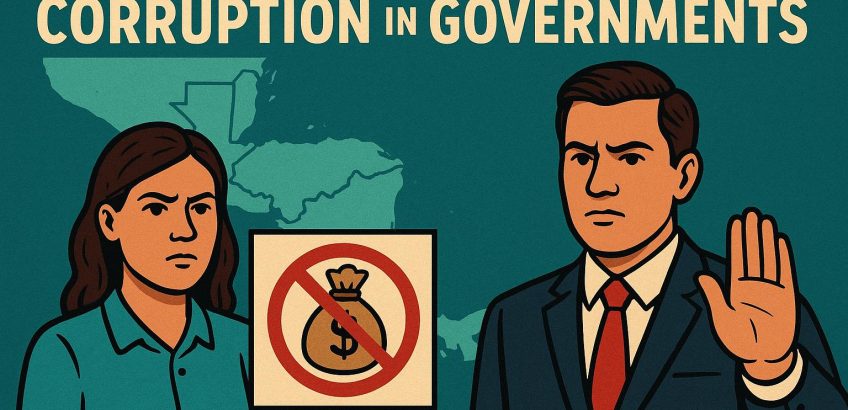
Efforts to combat corruption in governments
Understanding Government Anti-Corruption Efforts
The persistent issue of corruption in governments worldwide has led to a series of strategic efforts aimed at minimizing its impact. These efforts often vary from one country to another, catering to the unique political, social, and economic landscapes in which they are deployed. As governments confront this challenge, they employ a variety of strategies to create an environment less prone to corrupt practices.
Institutional Frameworks
To effectively address the issue of corruption, many governments establish dedicated institutions specifically tasked with rooting out and preventing corrupt activities. The creation of such institutions is a critical step because it ensures there are bodies mandated to focus exclusively on anti-corruption agendas. These institutions are generally endowed with significant autonomy. This autonomy is crucial as it allows the institutions to operate without undue political influence, which could otherwise compromise their effectiveness. For instance, Transparency International is an example of a global organization that collaborates with various governments to develop and implement anti-corruption strategies that are tailored to different national contexts.
Within countries, domestic institutions often take the form of anti-corruption bureaus, offices or commissions. These bodies are charged with investigating allegations of corruption, educating the public about issues related to corruption, and advising governments on policy measures to prevent corrupt activities. The efficacy of these institutions is frequently linked to the level of independence they enjoy, the legal framework within which they operate, and the degree of support they receive from other branches of government.
Legislation and Enforcement
Enacting comprehensive anti-corruption laws represents another cornerstone in government efforts to combat corruption. Such legislation typically encompasses measures focused on the prevention, detection, and punishment of corrupt acts. These legislative frameworks aim to create clear standards and penalties for corrupt practices, thus deterring individuals from engaging in these activities. But creating laws is only part of the solution. Effective enforcement of these legal provisions is equally important, if not more so. This enforcement requires having a well-trained and ethical judiciary, capable of impartially adjudicating cases related to corruption.
Furthermore, enforcement extends beyond the judicial system to include various law enforcement agencies. These agencies must be adequately resourced and staffed to carry out their functions effectively. Coordination between agencies is also vital to avoid overlaps and gaps in enforcement efforts. Moreover, there is often a need for special units or officers within these agencies that specialize in dealing with corruption cases, ensuring that there is a level of expertise and focus applied to combating corruption.
Public Sector Transparency
It is well-recognized that enhancing transparency within the public sector is an essential component in the fight against corruption. To this end, governments have implemented measures that require officials to disclose their assets and financial interests regularly. Such disclosures aim to identify and prevent conflicts of interest before they result in corrupt practices.
Moreover, open procurement processes are another critical component. By publicizing government tenders and contracts, and by ensuring that the processes by which these are awarded are transparent, governments reduce the opportunity for favoritism and cronyism. The use of open data platforms has also become increasingly popular. These platforms facilitate public access to governmental information, thus bolstering accountability. The availability of data allows civil society organizations and individuals to scrutinize government activities and expenditures critically, significantly enhancing the role of civil society as a watchdog.
Technological Innovations
In recent years, technological advancements have opened new avenues for governments seeking to combat corruption more effectively. By leveraging digital platforms for various services such as tax filing, service access, and lodging complaints, governments can minimize direct human interaction, thereby reducing the opportunity for corrupt practices to occur. Online systems can enhance efficiency, reduce unnecessary bureaucratic procedures, and provide an audit trail that is essential for accountability and transparency.
Furthermore, technology enables the implementation of secure and efficient systems for reporting corruption. Whistleblower platforms and hotlines can be managed online, preserving the anonymity of individuals who come forward with information, thereby promoting a culture where individuals feel empowered to report corrupt activities without fear of reprisal.
International Collaboration
Recognizing that corruption is not confined to national borders, strong international collaboration is essential in the fight against this global menace. Through multinational agreements and engagements with organizations such as the OECD and others, countries are able to share best practices, resources, and information needed to tackle widespread and cross-border corruption effectively. These organizations provide a platform for cross-border cooperation against complex corruption networks that might undermine national and global efforts to establish integrity.
Agreements such as the United Nations Convention against Corruption (UNCAC) provide frameworks for international cooperation in criminal matters, transfer of sentenced persons, mutual legal assistance, and technical assistance in legal and institutional capacity-building. In addition, joint investigations and information-sharing arrangements enhance the capabilities of countries to handle corruption cases that involve multiple jurisdictions.
Civil Society Engagement
An inclusive approach to fighting corruption necessitates the engagement of civil society. Civic organizations, non-governmental organizations (NGOs), and citizen groups play a pivotal role in holding governments accountable and fostering a culture of integrity and transparency. These groups often act as intermediaries between citizens and the government, voicing concerns, advocating for policy changes, and ensuring that the government remains responsive to the public’s needs.
Education plays a vital role in this regard. Educating the public about their rights and the importance of transparency can engender widespread civic participation, encouraging citizens to demand accountability and ethical conduct from their leaders. Awareness campaigns, workshops, and community-based programs are some of the initiatives that NGOs can employ to enhance public understanding and engagement.
Through these concerted efforts, governments aim to establish systems that are not only effective in curbing corruption but also resilient to its challenges. While progress varies worldwide, the evolving landscape of anti-corruption requires adaptive and innovative solutions to tackle this endemic issue effectively. By continually updating strategies in light of new challenges and technological advancements, governments and civil society can strive towards a more transparent and accountable global order.