
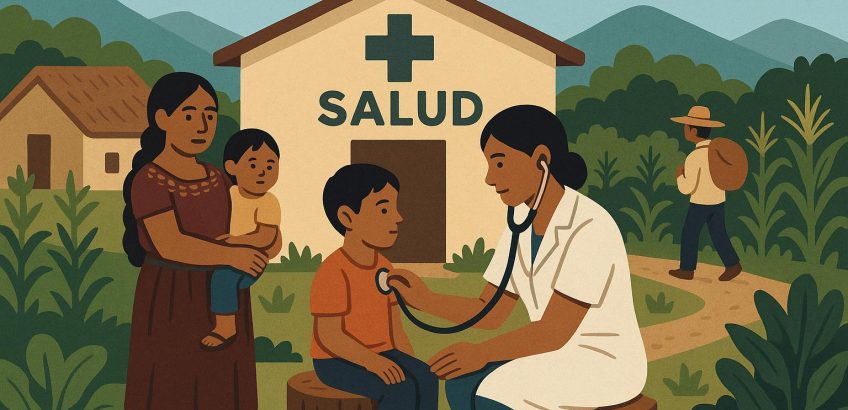
Access to healthcare in rural communities
Overview of Healthcare Access in Rural Areas
Access to healthcare in rural communities is a critical issue that affects a significant portion of the global population. These areas are often characterized by lower population densities and greater distances from urban centers. Consequently, residents face a unique set of challenges when seeking healthcare services.
Challenges in Rural Healthcare Access
Healthcare access in rural areas is shaped by various factors. One of the main challenges is the shortage of healthcare professionals, including doctors, nurses, and specialists. Rural healthcare settings often struggle to attract and retain qualified personnel due to professional isolation and limited resources. This issue has a ripple effect that impacts the quality and availability of healthcare services.
The geographical distance from healthcare facilities further compounds this issue. Rural residents typically must travel longer distances to reach hospitals or clinics, which is particularly burdensome for those with chronic conditions or those needing regular medical attention. This distance can lead to delayed treatments or even the abandonment of crucial medical care if travel becomes too arduous.
Lack of Infrastructure
Infrastructure limitations also play a significant role in reducing healthcare access. Many rural areas lack reliable transportation systems, making it difficult for residents to reach healthcare providers. The absence of consistent public transportation means that individuals without private vehicles might face great difficulty in accessing healthcare facilities. This situation is exacerbated for individuals with disabilities or mobility issues.
Additionally, the absence of broadband internet in these areas can hinder the implementation of telemedicine, which is an emerging solution to bridge the healthcare gap in remote locations. Telemedicine provides an opportunity for medical consultations without the need for physical travel, but the lack of high-speed internet limits this potential. Without reliable internet, accessing digital healthcare resources and services becomes an insurmountable hurdle for many rural residents.
Economic Barriers
Economic factors further complicate healthcare access in rural communities. Higher rates of poverty and lower levels of insurance coverage limit the ability of rural residents to afford necessary medical services. Many individuals in these areas may forgo medical care due to cost concerns, leading to a delay in seeking care and, consequently, worse health outcomes.
This economic challenge is often intertwined with broader socioeconomic issues, such as limited employment opportunities and lower educational attainment, which can further constrain access to healthcare. The financial strain of out-of-pocket costs for healthcare services presents a significant barrier to rural populations, forcing some to prioritize other immediate needs over health.
Strategies to Improve Healthcare Access
Efforts to enhance healthcare access in rural areas focus on several key strategies. One approach is the expansion and promotion of telemedicine services, which relies on digital technology to provide clinical health care from a distance. Telemedicine services can offer virtual consultations and follow-ups, thereby decreasing the need for physical travel. Although it requires significant investment in infrastructure, telemedicine can greatly mitigate the issue of geographical barriers.
Another strategy involves incentive programs aimed at attracting healthcare providers to rural areas. Loan repayment programs, scholarships, and competitive salaries can encourage healthcare professionals to practice in underserved regions. These measures aim to alleviate the professional isolation that healthcare workers often experience in rural settings and improve the retention rates of medical staff in these areas.
Government and Policy Interventions
Governmental interventions and policy changes are crucial in addressing healthcare disparities in rural communities. Policies focused on improving transportation infrastructure or expanding health insurance coverage can directly impact the healthcare accessibility for rural populations. By enhancing road quality and public transportation systems, individuals in rural areas can have more reliable access to healthcare facilities.
Furthermore, collaborations between governments and healthcare organizations can lead to the establishment of mobile clinics. These clinics can provide critical services, such as vaccinations and basic health screenings, in areas where permanent facilities are unavailable. Mobile clinics serve as a flexible healthcare solution that can be deployed to meet various needs in different locations.
Conclusion
Improving healthcare access in rural communities is essential to ensure equitable health outcomes across different populations. It requires a multifaceted approach that addresses both the immediate needs for healthcare services and long-term strategies for sustainable improvements. For more information on policies to enhance rural healthcare, consider visiting relevant government healthcare websites or trusted health policy research institutions.
Equitable access to healthcare in rural regions is not merely a medical issue but a social one that demands a holistic and collaborative response from multiple sectors of society. By investing in infrastructure, leveraging technology, encouraging healthcare professionals, and spearheading policy reforms, it is possible to overcome the hurdles faced by rural communities in accessing healthcare. In doing so, we can take meaningful steps toward improving the health and well-being of individuals living in these areas.