
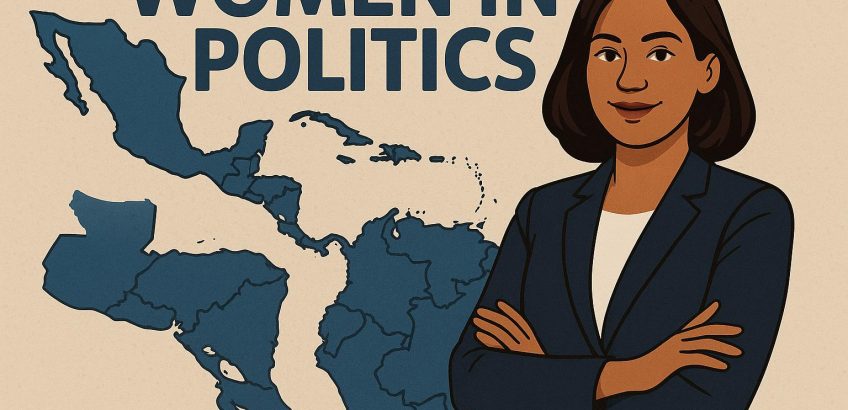
Women in politics in Central America
Overview of Women in Politics in Central America
The political landscape in Central America has historically been dominated by men. However, in recent decades, women have made significant strides in political participation and representation. This shift is influenced by various factors, including policy changes, grassroots activism, and international support for gender equality.
Political Representation of Women
Women in Central America have increasingly attained positions of power. Despite progress, challenges remain. Several countries in the region have introduced gender quotas to boost female representation in legislatures. For instance, Costa Rica has a well-established electoral quota system, which mandates that 50% of candidates in elections be women.
Notable Female Politicians
Central America has seen prominent women taking up leadership roles. Noteworthy figures include Laura Chinchilla, Costa Rica’s first female president, elected in 2010. In Nicaragua, Rosario Murillo serves as Vice President. Laura Chinchilla and others continue to influence policy and inspire upcoming female leaders.
Challenges Faced by Women Politicians
While legal frameworks support increased participation, women in politics face numerous challenges. They encounter gender-based violence, discrimination, and societal stereotypes. These issues often deter women from pursuing political careers.
Additionally, the political environment in many Central American countries can be volatile, which disproportionately affects women. Initiatives are ongoing to provide support and create safer spaces for women in politics.
International and Regional Efforts
International organizations and regional bodies have been pivotal in promoting gender equality in politics. The Organization of American States (OAS) actively supports gender parity in political participation across the Americas. Moreover, the UN Women Central America program implements initiatives to empower women and tackle gender-based political violence.
Grassroots Movements and Activism
Grassroots movements in Central America play a crucial role in advancing women’s political rights. Organizations often collaborate with local communities to educate women on their political rights and encourage participation in the political process. These movements have shown considerable success in raising awareness and increasing female voter turnout.
Conclusion
The involvement of women in Central America’s political scene is gradually improving, but much work remains. Continuous efforts are necessary to ensure equal representation and opportunities. The ongoing push for gender equality, coupled with societal and international support, promises a more inclusive future for women in politics in Central America.