
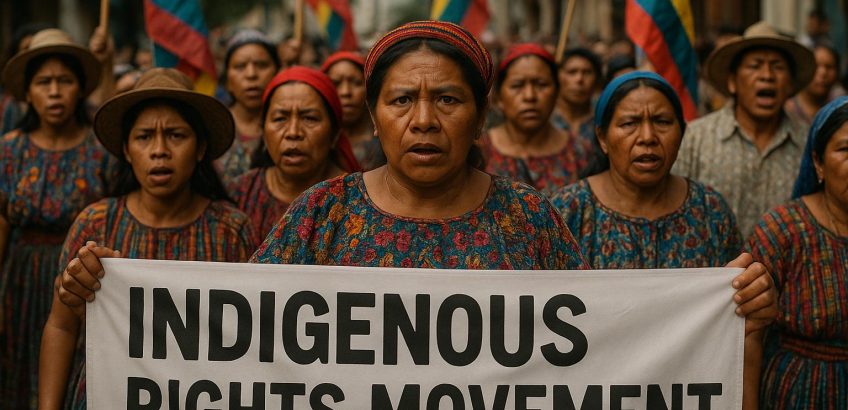
Indigenous rights movements in Central America
Introduction
The indigenous rights movements in Central America symbolize an essential battle for the recognition, autonomy, and protection of indigenous communities’ unique cultures, languages, and territories. This ongoing movement includes diverse indigenous groups across a number of countries like Guatemala, Honduras, El Salvador, Nicaragua, and Panama. Each country faces its own distinct issues and has its own historical contexts that contribute to the current state of indigenous rights in the region.
Historical Context
Indigenous peoples in Central America have been confronted with a history replete with colonialism, displacement, and marginalization. Since the arrival of European colonizers, indigenous lands have often been seized, and their rich and diverse cultures suppressed. Even after the nations within Central America gained independence, many governments did not sufficiently address the entrenched inequality and land dispossession faced by their indigenous populations. The absence of concrete measures to rectify these deep-seated injustices has continued to affect these communities, causing prolonged struggles over land rights, cultural preservation, and representation.
Guatemala
In Guatemala, the indigenous population, predominantly the Maya, has persistently fought for land rights and political representation. The country’s brutal civil war, which lasted for decades and ended in 1996, had a disproportionately adverse impact on indigenous communities. The path to recovery has been arduous, with many efforts directed toward securing justice. There are ongoing processes to hold those responsible for war crimes accountable. Indigenous groups have been instrumental in these efforts, utilizing both national and international legal systems and gaining support from global advocacy organizations. For a broader understanding of Guatemala’s indigenous rights movement, you can visit resources like the Cultural Survival website.
Honduras
Honduras has witnessed significant activism by its indigenous communities, especially among the Lenca and Garifuna people. Land and resource rights are central to their struggles. The assassination of the prominent indigenous leader Berta Cáceres in 2016 brought to light the dangers encountered by those advocating for indigenous rights. Her work was pivotal in opposing the construction of hydroelectric dams, emphasizing the importance of protecting indigenous territories from exploitation and encroachment by external entities.
El Salvador
In El Salvador, indigenous groups, such as the Nahua-Pipil, are actively working to preserve their language and cultural traditions. The 1932 massacre, known as La Matanza, devastated these communities, leading to near eradication. However, in recent years, survivors and their descendants have increasingly strived to revive their cultural heritage and assert their rights. The Salvadoran government’s official recognition of indigenous rights represents a significant, albeit recent, development in their ongoing struggle, and it marks progress in the quest for justice and equality.
Nicaragua
On Nicaragua’s Atlantic coast, indigenous communities like the Miskito and Rama are engaged in a longstanding battle for territorial autonomy. Despite the Nicaraguan government bestowing autonomous status on regions traditionally inhabited by indigenous peoples, conflicts persist due to land invasions and resource exploitation. Indigenous leaders continue to advocate vigorously for the full execution of autonomy laws to safeguard their territories. Ensuring that these rights are respected and upheld is an ongoing challenge that demands continuous vigilance and activism.
Panama
In Panama, indigenous groups such as the Kuna and Ngäbe-Buglé have succeeded in establishing autonomous regions known as comarcas. While this arrangement provides some level of self-governance, the communities continue to grapple with issues related to resource extraction and land rights. The development of infrastructure projects, such as hydroelectric dams, often leads to conflicts between the indigenous population and the state, necessitating constant negotiation and advocacy to ensure that indigenous voices and rights are respected.
Current Challenges
Indigenous rights movements in Central America are currently dealing with numerous challenges. These include disputes over land rights, the cultural preservation of indigenous traditions, and the environmental impact of large-scale development projects. Moreover, indigenous leaders frequently encounter threats and violence, which has tragically been illustrated by incidents such as those in Honduras.
Land Rights and Natural Resources
Securing land rights remains a paramount concern for many indigenous communities. Their territories continue to be threatened by activities such as deforestation, mining, and agricultural expansion. This often places indigenous lands in conflict with government policies and economic development agendas prioritized by multinational corporations, resulting in tensions that require careful navigation and persistent advocacy.
Cultural Preservation
The preservation of indigenous languages and traditions is another critical aspect of the struggle in this region. Globalization and cultural assimilation pose significant threats to the survival of these unique cultural identities. Amidst external pressures, efforts to revitalize native languages through education and media are gaining momentum. Nonetheless, the challenge lies in maintaining and nurturing these cultural identities against a backdrop of external influences and changing societal norms.
Political Representation
Achieving substantial political representation is a significant goal for indigenous communities across Central America. Although some progress has been made in recent years, indigenous populations frequently remain marginalized within national political systems. This reality necessitates ongoing and vigorous advocacy efforts to ensure that indigenous voices are heard and their interests adequately represented in national and regional decision-making processes.
Conclusion
The indigenous rights movements in Central America form an integral part of the broader quest for social justice and equality throughout the region. Although victories have been won, such as the creation of autonomous regions and enhanced cultural recognition, significant challenges continue to persist. Persistent efforts by indigenous leaders, advocacy groups, and international allies are indispensable in advancing the rights and well-being of Central America’s indigenous peoples. For those interested in further exploring indigenous rights issues within Central America, organizations like Amnesty International offer valuable resources and insights contributing to the understanding and support of this critical movement.