
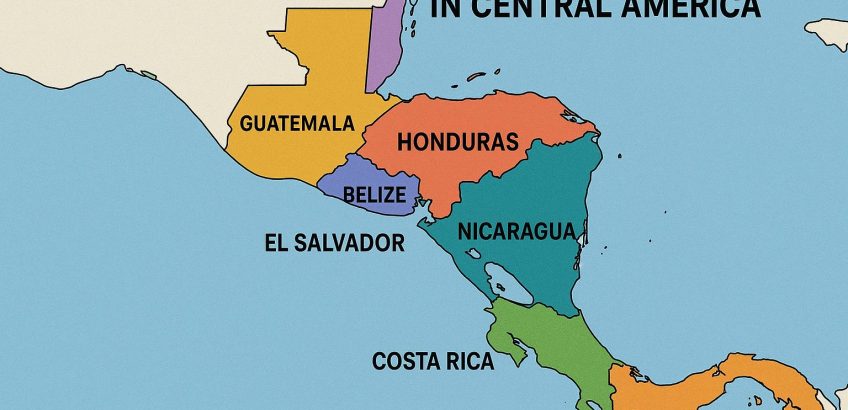
Modern political systems in Central America
Introduction to Modern Political Systems in Central America
Central America is a region that includes several countries, each with its unique political system. This area has a rich history of political evolution and development. Today, the political landscape in Central America is marked by a blend of democratic and authoritarian elements, with varying degrees of political stability and governance challenges.
Democratic Development in Central America
Over the past few decades, most Central American countries have transitioned from authoritarian regimes to democratic forms of government. This shift towards democracy has been characterized by the establishment of electoral systems, the adoption of new constitutions, and the strengthening of political institutions. Nations such as Costa Rica and Panama have adopted democratic systems with regular elections and peaceful transfers of power. These countries often serve as models of democratic governance in the region.
The Role of Elections
Elections play a pivotal role in the political systems throughout Central America. They provide a mechanism for citizens to express their political will and choose their leaders. While the integrity and freedom of elections vary across the region, efforts are being made to improve electoral processes and increase transparency. Countries such as Guatemala and El Salvador have made significant strides in this area, although they still face challenges related to electoral fraud and political influence.
In recent years, Electoral bodies in Central America have been working to enhance the credibility of election processes. This includes the implementation of technology to reduce electoral fraud and initiatives to increase voter turnout. Transparency and accountability measures have been introduced, but these have to contend against a backdrop of historical mistrust and societal divisions.
Challenges to Democratic Governance
Despite progress, Central American democracies face several challenges. Political corruption remains a persistent issue, undermining public confidence in government and institutions. Additionally, organized crime and violence, particularly in Honduras and El Salvador, pose significant threats to political stability and governance. These challenges necessitate comprehensive policies and reforms to strengthen the rule of law and promote social justice.
The fight against corruption involves not only local efforts but also international cooperation. Initiatives such as strengthening judicial systems, encouraging civic engagement, and promoting governmental transparency are crucial. However, achieving these aimed reforms can be complex, often needing both time and resources amidst economic and social constraints.
Authoritarianism and Hybrid Regimes
Not all countries in Central America fully embrace democratic principles. Some nations exhibit traits of hybrid regimes, where democratic practices coexist with authoritarian methods. For instance, Nicaragua under the leadership of Daniel Ortega has drawn international attention for its authoritarian practices, including the restriction of political freedoms and suppression of dissent.
In such political climates, the balance between democratic norms and authoritarian governance can be fragile. While elections might be conducted, the broader political environment often stifles genuine competition and dissent. Critically, the judiciary and law enforcement systems may serve as tools for political repression rather than justice.
Press Freedom and Civil Liberties
In several Central American countries, press freedom and civil liberties are under threat. Governments have been known to exert control over media outlets and enforce censorship, hindering free expression. Advocacy for press freedom and civil liberties remains crucial to ensuring democratic integrity and public accountability.
Journalists and media organizations face harassment, legal challenges, and sometimes violence, which impacts their ability to operate effectively. The implications for public morale and democratic engagement are significant as limited press freedom can curtail informed public discourse and inhibit transparency.
External Influences and International Relations
Central American political systems are also influenced by external factors, including international organizations and foreign governments. The region’s geographical proximity to the United States leads to significant political and economic interactions. Furthermore, regional organizations such as the Organization of American States (OAS) play a prominent role in promoting democracy and facilitating dialogue among member states.
Beyond political influence, economic ties also shape Central America’s political landscape. Trade agreements, remittances from emigrant communities, and foreign investment are all significant factors. These elements can bolster economies but may also create vulnerabilities if local governance is not robust.
The Role of International Aid
International aid and cooperation present both opportunities and challenges for political systems in Central America. Aid can support development initiatives and bolster infrastructures, such as education and health care, but it can also create dependencies and influence domestic policies. Balancing these dynamics is essential for sustainable political and social progress.
Critics point to concerns over sovereignty and caution against undue influence enacted through aid. Successful management of foreign aid entails aligning the aid with national development objectives and ensuring that it strengthens rather than undermines local capacities and governance frameworks.
Conclusion
The political systems in Central America are diverse and complex, reflecting a dynamic interplay between democratic aspirations and challenges to governance. While some countries have achieved notable democratic progress, others continue to grapple with authoritarian practices and governance hurdles. Understanding these political systems requires a nuanced appreciation of the region’s history, cultural context, and international engagements. Continued efforts are needed to foster political stability, promote democratic values, and uphold human rights across Central America.
Efforts to improve political systems necessitate comprehensive approaches that incorporate local culture and international support. It demands a commitment to democratic principles, accountability, and responsive governance, striving towards political environments where citizens’ rights are prioritized, and sustainable development is pursued.