
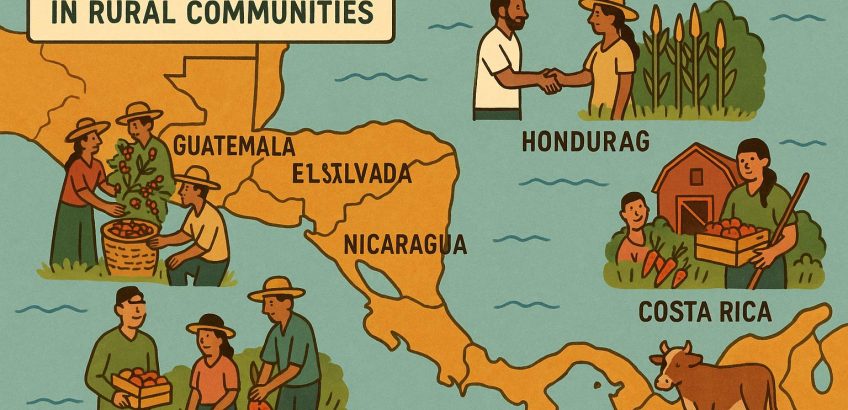
Role of cooperatives in rural communities
Introduction
Communities in rural settings frequently encounter distinct challenges, characterized by limited access to essential resources, critical services, and lucrative markets. Within this complex landscape, cooperatives emerge as pivotal entities that extend necessary support to these communities. By uniting resources and fostering a collective approach, members of cooperatives find solutions to obstacles that would be challenging, if not impossible, to address individually. By harnessing the power of unity, cooperatives not only respond to the economic needs of rural areas but also bolster social structures, nurturing a sense of belonging and shared purpose.
Economic Contributions
Cooperatives significantly bolster the economic landscape of rural communities by offering a structured platform for small-scale producers and entrepreneurs. This platform enables participants to penetrate larger markets, secure favorable pricing for their goods, and minimize transaction costs. By involving themselves in various sectors such as agriculture, crafts, and retail, cooperatives stimulate the diversification of the local economy, reducing dependency on any single industry. Furthermore, economies of scale serve as a distinct advantage, allowing members to procure goods and services at reduced rates through bulk purchases or shared resources, ultimately enhancing economic efficiency and competitiveness.
Employment Generation
In the pursuit of employment opportunities, rural cooperatives serve as significant employers in their respective regions. By establishing jobs locally, they play a vital role in curbing rural-urban migration, empowering residents to remain in their native communities while earning a livelihood. The cooperative model is distinctly characterized by its commitment to skill-building and training initiatives. By enhancing the capabilities and knowledge of the workforce, cooperatives contribute to a more skilled and adaptable labor force, equipping their members with the tools needed to thrive in a dynamic economic environment.
Social Impact
Cooperatives extend their influence beyond economic contributions, firmly embedding themselves within the social fabric of rural locales. They cultivate a robust sense of community and collaboration, providing a conduit for individuals to unite and work collaboratively toward shared objectives. This cooperative ethos often transcends economic considerations, fostering social cohesion and reducing potential conflicts within the community. By placing a premium on mutual support and cooperation, these organizations cultivate an environment conducive to sustainable social development.
Empowerment and Inclusion
A defining attribute of cooperatives lies in their inherently democratic nature. Each member, irrespective of their economic standing, possesses an equal vote, ensuring a voice for individuals who might otherwise be marginalized in traditional organizational setups. This operational structure inherently promotes social inclusion and empowerment, enabling members to actively participate in decision-making processes. By granting equal representation, cooperatives serve as instruments for broader societal change, allowing for more equitable participation across diverse community segments.
Access to Resources
Cooperatives are instrumental in facilitating access to resources and services that might otherwise remain elusive in rural settings. Take, for instance, agricultural cooperatives, which provide reach to superior farming equipment, seeds, and fertilizers. In the financial sphere, cooperatives like credit unions and cooperative banks extend banking services, loans, and financial education to their members, thereby fostering financial inclusivity. Through these actions, cooperatives bridge the gap between limited resource availability and the growing needs of rural populations.
Innovative Solutions
Adaptability signifies the hallmark of rural cooperatives, as they frequently devise innovative solutions tailored to meet local needs and challenges. This adaptability often translates into the introduction of environmentally sustainable practices and the strategic leveraging of new technologies for enhanced efficiency and cost-effectiveness. By addressing localized challenges, cooperatives demonstrate an acute awareness of the unique demands of their communities, perpetually seeking ways to evolve and improve their service offerings.
Challenges and Limitations
Despite the multitude of benefits that cooperatives bestow upon rural communities, they are not immune to challenges. Limited capital access, deficits in management expertise, and regulatory hurdles often pose significant obstacles to their growth and sustainability. Additionally, achieving equilibrium between social objectives and economic viability necessitates meticulous governance and strategic foresight. Balancing these competing interests requires careful planning and a nuanced understanding of the cooperative’s role within the community.
Future Prospects
Despite these challenges, the future of cooperatives in rural areas remains promising. With the advent of digital technologies and innovative solutions, cooperatives are positioned to effectively tackle emerging challenges while maintaining their role as invaluable assets to rural communities. Policymakers and development organizations increasingly acknowledge the contributions of cooperatives to fostering inclusive growth, indicating a likelihood of enhanced support for cooperative development in the future. Such backing heralds a new era of opportunity and expansion for cooperatives, reinforcing their enduring significance in rural development.
Conclusion
In conclusion, cooperatives occupy a multifaceted role in fortifying rural communities both economically and socially. Their contributions are extensive, spanning areas such as market access enhancement, job creation, and the promotion of social cohesion and inclusivity. While cooperatives manifest certain challenges, their resilience and capacity for innovation underscore their integral role in rural development. For individuals interested in delving deeper into the cooperative’s impact and potential, organizations such as the International Cooperative Alliance offer valuable resources and insights, providing a wealth of knowledge regarding the dynamic and influential nature of cooperatives.