
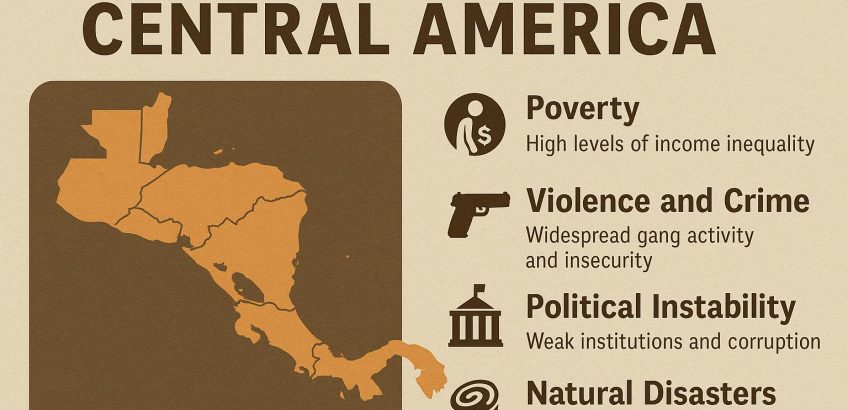
Development challenges in Central America
Geographic and Political Influences
Central America, characterized by its stunning landscapes and diverse cultures, is a region caught in the middle of natural abundance and developmental hurdles. The rich geographic features of Central America provide a wealth of opportunities, particularly in tourism and agriculture, yet they simultaneously pose significant challenges. The presence of lush rainforests and expansive coastlines enhances its appeal as a tourist destination and is vital for agricultural productivity. However, these geographical attributes also render the region extremely vulnerable to natural catastrophes such as hurricanes, earthquakes, and volcanic activities. The World Bank highlights that these risks are increasingly intensified by climate change, underscoring an urgent need for improved resilience measures.
Economic Constraints
Central America’s economic landscape is shaped by multiple constraints that inhibit growth and diversification. A prevalent dependency on agriculture and remittances from overseas workers leaves the economies susceptible to external shocks, such as volatile global commodity prices and natural calamities. The reliance on a narrow economic base limits exposure to broader industrial areas, making it difficult for the region to transition towards more diversified and resilient economic structures. Moreover, systemic inefficiencies in infrastructure, rooted in historical neglect and underinvestment, further stymie the potential for industrialization and economic progression.
Political Instability
Political instability is a formidable impediment to development in Central America. Dysfunctional government systems characterized by frequent leadership changes and widespread corruption undermine policy continuity and effectiveness. Pervasive corruption deteriorates the governance ecosystem, dissuading foreign investors and influencing the trajectory of economic growth negatively. According to the Corruption Perceptions Index, several Central American countries consistently receive poor ratings, reflecting a stark challenge in governance, transparency, and accountability.
Social Issues
Social inequality is a pervasive challenge affecting the developmental prospects of Central American societies. A significant segment of the population remains deprived of essential services, particularly healthcare and education. The disparities in educational access are evident in some rural areas where literacy rates languish, hampering the development of human capital necessary for economic advancement. This entrenched inequality often manifests in societal challenges, including elevated crime rates and pervasive violence, further complicating efforts towards social and economic progress.
Migration Challenges
The issue of migration presents another layer of complexity to Central America’s development framework. Individuals and families are often driven by economic desperation and the quest for security to migrate both within and outside the region. The International Organization for Migration (IOM) points out that these migration flows are symptomatic of deeper issues linked to economic and security challenges. The resultant demographic shifts impose additional pressure on social systems and labor markets in both origin and destination areas, complicating economic planning and societal stability.
Environmental Concerns
Central America’s environment, blessed with rich biodiversity and ecosystems, is experiencing severe threats from various anthropogenic activities. Deforestation, pollution, and biodiversity loss are alarmingly prevalent, driven by economic activities and insufficient environmental oversight. The sustainability of these ecosystems is critical for the region’s development, but the formulation and enforcement of effective environmental policies face hurdles due to constrained resources and limited political commitment. As such, achieving sustainable development is contingent upon integrating robust environmental policies into broader economic and social planning frameworks.
Conclusion
The developmental challenges facing Central America are intricate and multidimensional, intricately weaving together aspects of geography, economy, politics, social fabric, and environmental sustainability. Successfully addressing these issues necessitates a cohesive approach, engaging national and regional strategies that prioritize sustainable development practices, governance reforms, and substantial investment in human capital. By reconciling these diverse factors and aligning them toward common developmental goals, Central America can navigate its challenges effectively and unlock its full potential.